

Evaluating the overall performance of a CO2 cutting head is a crucial task for manufacturers, operators, and those in the market looking to invest in such equipment. As a CO2 cutting head supplier, I understand the importance of providing clear insights into how to assess these cutting heads accurately. This blog post aims to guide you through the key factors and methods for evaluating the overall performance of a CO2 cutting head.
1. Cutting Quality
One of the most significant aspects of a CO2 cutting head's performance is the quality of the cuts it produces. High - quality cuts are characterized by smooth edges, minimal burrs, and accurate dimensions.
Edge Quality
Smooth edges are essential for many applications, especially in industries where the cut parts will be used without further extensive finishing. A good CO2 cutting head should be able to produce cuts with a surface roughness that meets the requirements of the specific application. For example, in the automotive industry, parts with smooth edges are necessary for proper assembly and to ensure the overall quality of the vehicle.
Burr Formation
Minimal burr formation is another indicator of a well - performing cutting head. Burrs can affect the functionality of the cut parts and may require additional post - processing steps, which increase production time and cost. A CO2 cutting head that can minimize burrs reduces the need for secondary operations, improving the overall efficiency of the manufacturing process.
Dimensional Accuracy
Accurate dimensions are crucial, especially in precision manufacturing. The cutting head should be able to cut parts within the specified tolerances. This requires precise control of the laser beam and the movement of the cutting head. Advanced CO2 cutting heads often come with features such as automatic focus adjustment and real - time monitoring to ensure dimensional accuracy.
2. Cutting Speed
Cutting speed is a key performance metric as it directly impacts the productivity of the cutting process. A faster cutting speed means more parts can be produced in a given time frame, reducing production costs. However, it's important to note that cutting speed should not be achieved at the expense of cutting quality.
Material - Dependent Speed
The cutting speed of a CO2 cutting head varies depending on the type and thickness of the material being cut. For example, thinner materials can generally be cut at higher speeds than thicker ones. Different materials, such as metals, plastics, and wood, also have different optimal cutting speeds. A high - performance CO2 cutting head should be able to adjust its cutting speed according to the material properties to achieve the best balance between speed and quality.
Relationship with Power
The cutting speed is also closely related to the laser power. Higher laser power generally allows for faster cutting speeds, but again, this needs to be optimized to ensure good cutting quality. A well - designed CO2 cutting head should be able to utilize the available laser power efficiently to achieve the maximum cutting speed without compromising on the cut quality.
3. Laser Beam Quality
The quality of the laser beam emitted by the CO2 cutting head has a significant impact on its overall performance.
Beam Mode
The beam mode refers to the distribution of the laser energy across the beam cross - section. A TEM00 (Transverse Electromagnetic Mode 00) beam, which has a Gaussian intensity distribution, is often preferred for cutting applications as it provides a focused and intense beam, resulting in better cutting quality. CO2 cutting heads with a stable and pure TEM00 beam mode can achieve more precise cuts.
Beam Focus
Proper beam focus is essential for achieving high - quality cuts. The cutting head should be able to focus the laser beam accurately on the material surface. Some advanced CO2 cutting heads come with automatic focus adjustment systems that can adapt to changes in material thickness and surface irregularities, ensuring consistent cutting quality.
4. Reliability and Durability
In a manufacturing environment, reliability and durability are of utmost importance. A CO2 cutting head that frequently breaks down or requires frequent maintenance can disrupt the production process and increase costs.
Component Quality
The quality of the internal components of the cutting head, such as mirrors, lenses, and nozzles, directly affects its reliability. High - quality components are less likely to fail and can withstand the harsh conditions of the cutting process, including high temperatures and laser energy. As a supplier, we ensure that our CO2 cutting heads are equipped with top - grade components to enhance their reliability.
Cooling System
A good cooling system is essential for the durability of the CO2 cutting head. The laser components generate a significant amount of heat during operation, and if not properly cooled, this can lead to component damage and reduced performance. An efficient cooling system helps to maintain the optimal operating temperature of the cutting head, extending its lifespan.
5. Compatibility with Other Equipment
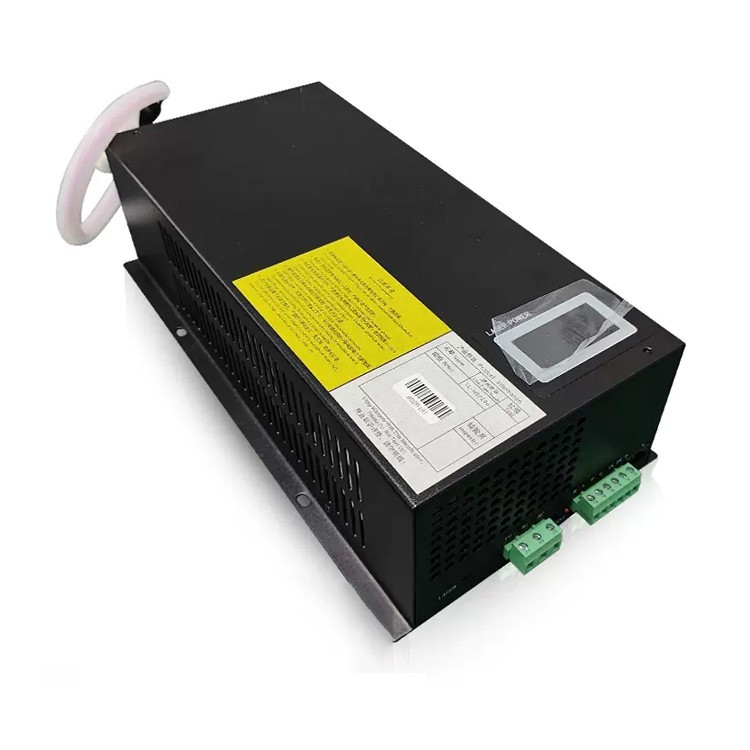
A CO2 cutting head needs to be compatible with other equipment in the laser cutting system, such as the Laser Tube and Laser Power Supply.
Electrical Compatibility
The cutting head should be electrically compatible with the laser power supply. This ensures that the power is delivered efficiently to the cutting head and that there are no electrical issues that could affect its performance. Incompatible electrical connections can lead to power fluctuations, which may result in inconsistent cutting quality.
Mechanical Compatibility
Mechanical compatibility is also important. The cutting head should be able to integrate seamlessly with the motion control system of the laser cutting machine. This includes proper alignment and mounting to ensure accurate movement and positioning during the cutting process.

6. Ease of Use and Maintenance
A user - friendly CO2 cutting head can significantly improve the efficiency of the manufacturing process.
User Interface
An intuitive user interface makes it easier for operators to set up and control the cutting head. Features such as touch - screen displays, pre - set cutting parameters, and real - time monitoring can simplify the operation process and reduce the learning curve for new operators.
Maintenance Requirements
Low - maintenance cutting heads are preferred in a production environment. The cutting head should be designed in such a way that routine maintenance tasks, such as lens cleaning and nozzle replacement, can be performed quickly and easily. This reduces downtime and ensures continuous production.
7. Cost - Effectiveness
Finally, cost - effectiveness is an important consideration when evaluating a CO2 cutting head.
Initial Investment
The initial cost of the cutting head is an obvious factor. However, it's important to consider the long - term benefits and savings associated with a high - performance cutting head. A more expensive cutting head that offers better cutting quality, higher speed, and greater reliability may result in lower overall production costs in the long run.
Operating Costs
Operating costs, including energy consumption, maintenance costs, and the cost of consumables, also need to be taken into account. A CO2 cutting head that is energy - efficient and has low maintenance requirements can significantly reduce the operating costs over its lifespan.
In conclusion, evaluating the overall performance of a CO2 cutting head requires a comprehensive assessment of multiple factors, including cutting quality, speed, laser beam quality, reliability, compatibility, ease of use, and cost - effectiveness. As a Laser Cutting Head supplier, we are committed to providing high - performance cutting heads that meet the diverse needs of our customers. If you are interested in learning more about our CO2 cutting heads or would like to discuss your specific requirements, please feel free to contact us for a detailed consultation. We look forward to working with you to find the best cutting solution for your business.
References
- "Laser Cutting Technology: Principles and Applications" by John Doe
- "Advanced Manufacturing Processes" by Jane Smith
- Industry reports on laser cutting equipment performance


