

Laser Cutting Machine
A laser cutting machine is a type of CNC machine. CNC stands for Computer Numerical Controlled. This name comes from the fact that the CNC machine takes commands from drawings that have been digitized and transformed into a computer language that describes every angle and curve of that design.
Once a drawing has been finished in a computer rendering program, all the designer has to do is send the design to the machine. It's much like sending an image file to a typical printer.
Best of all, the laser cutting machine can re-create these designs in minutes and can produce as many parts as you need.
-
 9060 Laser Cutting MachineLinear guide model with analytical industrial laser head stainless steel linear guide brand laserAdd to Inquiry
 -
 6090 Laser Engraving Machine6090 laser engraving machine Application industry: Craft gift start button two-color plate jadeAdd to Inquiry
 -
 1390 Laser Engraving MachineIf the engraving cylinder, wine bottle and other similar cylindrical items need to be purchasedAdd to Inquiry
 -
 Large Format Laser Engraving MachineLarge Format Laser Engraving Machine . Suitable for non-metal cutting. Carbon dioxide glass tube.Add to Inquiry
 -
 Fiber Metal Laser Cutting MachineFiber metal laser cutting machine Cutting sample display: carbon steel, stainless steel, aluminumAdd to Inquiry
 -
 1812 Laser Engraving Machine1812 laser engraving machine-Automatic sensing for precise cuttingAutomatic sensors sense the metalAdd to Inquiry


Why choose us
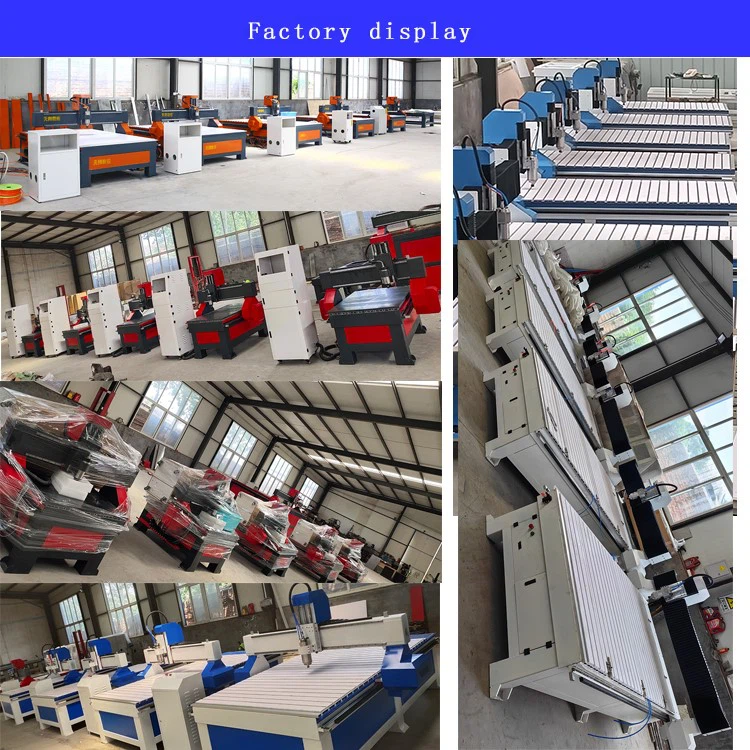
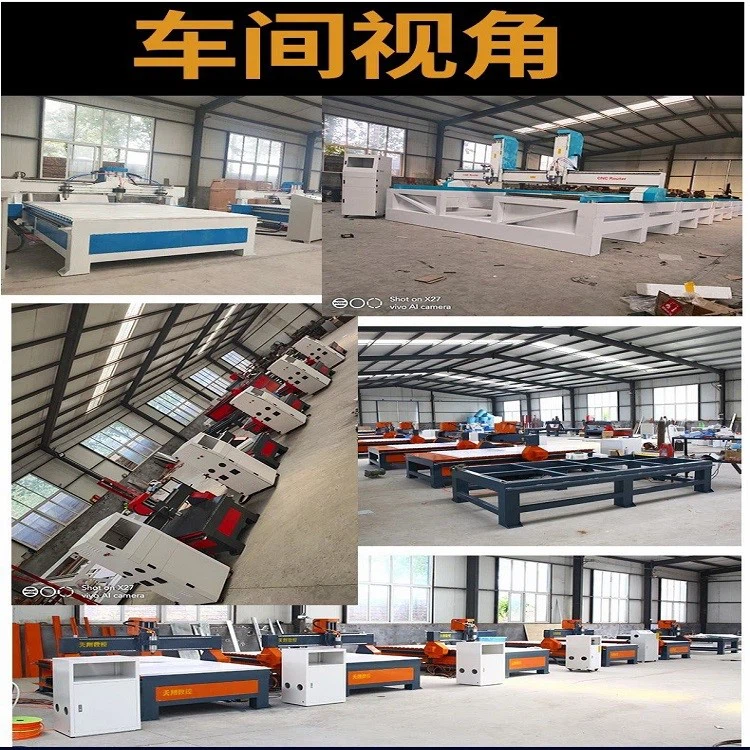
Our Factory
Liaocheng Tianxiang CNC Equipment Co., Ltd. has been producing carving machines for over a decade. We have a skilled design and technical team, our own production facility, and offer customization for various machines, including specialized fixtures. Our experience and technology are well-developed and advanced.
Our Product
We are a high-tech enterprise specializing in the research, production, and sales of a wide range of carving machines. Our products include woodworking carving machines, advertising carving machines, stone carving machines, Buddha carving machines, metal mold machines, jade carving machines, laser carving machines, relief machines, cylindrical carving machines, polystyrene carving machines, and woodworking CNC machining centers.
Product Application
Our machines are used across various industries. These include advertising, woodworking, stone, metal, craft gifts, furniture manufacturing, mold and model making, as well as electronic and electrical industries.
Production Market
Our products are exported to over 40 countries and regions, including South Korea, Russia, the United States, Japan, Thailand, Malaysia, Vietnam, Canada, Iraq, Indonesia, Italy, and Hong Kong.
There are three main types of lasers used in laser cutters; CO2 lasers, fiber lasers, and neodymium lasers. Although the laser cutters are all built very similarly, they are distinct in that each type of laser has a specific power range, thus each can be used to cut through different material types and thicknesses.
CO2 Lasers: The laser is generated from electrically stimulated gas mixtures (mostly comprising of carbon dioxide). CO2 lasers are the most common types of laser cutters because they are low power, relatively inexpensive, efficient, and can both cut through and raster a wide variety of materials.
Materials: Wood, paper based products (cardboard, etc), leather, acrylic, glass, some plastics, and some foams (can raster on anodized metals)
Neodymium Lasers: The laser is formed from neodymium doped crystals. These lasers have a much smaller wavelength than CO2 lasers, meaning they have a much higher intensity, and can thus cut through much thicker, stronger materials. However, because they are so high power, parts of the machine wear and tend to need replacing.
Fiber Lasers: These lasers are made from a "seed laser", and then amplified via special glass fibers. The lasers have an intensity and wavelength similar to that of the neodymium lasers, but because of the way they are built, they require less maintenance. These are mostly used for laser marking processes.
Benefits of a Laser Cutting Machine
Flexibility
Laser cutting machines do not require tooling or tool changes for different cuts. They operate without hard tools, eliminating the need for tool changeover or sharpening between cuts. The initial setup remains the same, allowing for the cutting of various shapes within the same material thickness. Laser cutting machines offer flexibility and can achieve intricate cuts without costly downtime or inefficiencies, even during large production runs.
Automation
Laser cutting machines require minimal manual intervention. Thanks to technological advances, they are highly automated and compatible with CNC CAD/CAM programs, feeding machines, and follow-up conveyors. This automation enhances speed, precision, and consistency while reducing the need for manual labor. Although experienced operators are still necessary for safety, proper cutting, and quality control, the overall labor cost is lower compared to other methods.
Precision
Another advantage of laser cutting is its accuracy. Compared to other cutting methods, laser cutting can produce cuts with a smaller margin of error, typically within +/-0.1 mm. This high level of precision enables manufacturers to create highly accurate parts without the need for secondary services. In some cases, this accuracy also means that no additional tolerances are required.
Consistency
Due to their precision and ability to work with diverse materials, laser cutters can produce parts and assemblies that are accurate and repeatable. You can ensure that each cut will be identical, from the first part to the thousandth. This consistency helps manufacturers produce multiple copies of the same product with uniform quality and in a streamlined production process.
Speed
Laser cutting is not only precise and reliable but also faster than many other cutting methods, particularly traditional and mechanical options. This speed is especially beneficial for complex cuts.
Versatility
Some laser cutting machines are equipped with multi-axis capabilities, allowing them to cut a wide range of custom designs and shapes. They can handle materials of varying types and thicknesses, including different metals and alloys. These machines can effortlessly cut even the most complex structures.
People who are considering buying a laser cutting machine to get into business have many different options. Some of the most popular and lucrative uses include:
Manufacture Memorabilia
When it comes to designing and making memorabilia, laser cutting presents so many different opportunities. On the one hand, you could start a company that specializes in manufacturing memorabilia. This might include adding branded designs onto objects for a range of companies or designing unique merchandise and including replicas of popular designs.On the other hand, you could buy a laser cutting machine for your existing business. Instead of outsourcing merch, create it in house. Not only will you save on costs but you’ll also have full creative control and be in charge of lead times and supplier costs.
Create Signage
Creating signage is an excellent venture for an operation that revolves around a laser cutter. This is because it’s something that most homes, businesses and individuals need at some point. You can create a whole variety of signs for pretty much any application — Whether it’s for offices, bathrooms, door numbers, roll-up banners, murals, window graphics or wayfinding.Because there are so many applications for this type of manufacturing, you don’t need to tie yourself down to one niche. You can become a generalist, and the chances of ever running out of work are very slim, provided you deliver excellent quality work on time.


Make Business Cards
Business cards are a great choice of venture for a budding entrepreneur because they’re something that practically every decision-maker needs. In today’s digital marketplace, you’re not limited to your local area, either, and this particular industry is an excellent choice for someone who’s looking to tap into an international market.You can cut them from cardboard, paper and even metal — And then etch or engrave the designs and names into the chosen material. Most people see business cards as a status symbol, so the more elaborate you make your product, the more you can charge for it.
Engrave for Institutions
One of the most versatile options for a business owner with a laser cutting machine is to carry out engravings. In particular, schools and sports clubs require trophies and awards on a regular basis — So you can build up a decent company with just a few regular clients to start with. As your reputation grows and great reviews appear online, you’ll be able to expand your business to meet increasing demands without needing to retool.
Design and Make Personalized Crockery
Another idea for a start-up using a laser cutter is designing and creating personalized crockery. Most restaurants now understand the value of having branded items, such as glassware, cutlery, napkins and uniforms. Plus, this type of product makes an excellent gift for special occasions such as birthdays and anniversaries.
Choosing the Right Laser Cutter
Choosing the right laser cutter technology is a crucial decision that depends on your specific needs and applications. Here are some important things to take into account:
Material Compatibility: Determine the range of materials you will be working with most frequently. The absorption spectrum of the material must coincide with the selected laser type, for the bulk of jobs. This will help to avoid serious complications and slower processing at higher energy levels which will reduce the profitability and operation life of the equipment.
Work Area: Consider the size of the typical job or raw material piece you expect to cut. Choose a machine with a work area large enough to accommodate your expected jobs. Consider also the smaller jobs. These may drive you to choose two machines, to efficiently cover the required range.
Laser Power: Laser power very directly influences the speed and thickness capacity of the equipment. Higher laser power allows for faster cutting through thicker materials, but it affects equipment price which requires amortization over your workload. Selecting an overpowered machine to cope with a minority of your workload affects the profitability of all other jobs.
Precision/Beam Quality: If your expected workload requires high precision and intricate details to be cut, pay close attention to the beam quality of the prospective machines you consider. Fiber lasers generally offer better beam quality compared to CO2 lasers, resulting in finer cuts and smoother engraving.
Speed/Throughput: Consider the production volumes and turnaround times you see yourself requiring. Fiber lasers are faster than CO2 lasers when cutting metals, which can be crucial for industrial-scale operations—but that increases the CAPEX demand.
Automation/Software: Evaluate machine features that enhance productivity and ease of use. Automation options and user-friendly software interfaces can significantly cut setup and operation times. Advanced nesting software can reduce overheads by optimizing material usage, without the high labor cost of job fitting.
Maintenance and Reliability: Assess the implicit maintenance requirements and reliability of the prospective machines. Solid-state lasers (fiber and direct diode) have fewer “user serviceable” parts and more up-time than, for example, CO2 lasers.
Cooling and Extraction: Proper cooling/dross clearance (air blast) and exhaust systems are vital for safe and efficient operation. Ensure the machine is well-equipped to remove fumes and debris during the cutting or engraving process.
Gas Assist: Consider the type of gas assist you are likely to require. Look for machines that have lower consumption as a selection factor. Gas consumption is often seen as a fixed cost, but it can be improved. Better beam quality and a finer cut tend to require lower levels of gas assist because of reduced melt volume/debris.
What Materials Can Be Cut with Laser Cutting Machines?
Laser cutters are used in the engineering and manufacturing industry to cut several types of materials. These machines have very high accuracy and can be programmed to cut any material.
The materials it can cut through include the following:
Aluminum
Aluminum is one of the most common materials that are laser-cut. Laser-cutting machines can be used to cut aluminum sheets and tubes. Aluminum is a very strong and lightweight material that is used in many applications.
Brass
Brass is an alloy made up of copper and zinc. It is a soft metal, which means it can be easily cut with a laser cutting machine. Brass has many industrial uses, such as in electronics, construction, and plumbing.
Stainless Steel
Stainless steel is another metal that is commonly cut with industrial laser cutting machines for various industrial purposes.
Such as making cookware or utensils at home or for commercial use by restaurants. Caterers who need to prepare food quickly without worrying about rusting due to water contact over time can also use them (which could happen if they had been using regular steel instead).
Carbon Steel
A laser cutting machine can also help in cutting carbon steel material. It’s so because it tends to have less strength than other types of metals like aluminum or stainless steel. However, carbon steel does not require much maintenance over time because it does not rust.
The Main Application Industries Of Laser Cutting Machine
Kitchenware Industry
Traditional processing methods in the kitchenware manufacturing industry face problems such as low work efficiency, large mold consumption, and high use costs. The laser cutting machine has fast cutting speed and high precision, which improves processing efficiency, and can realize customized and personalized product development, solve the problems of kitchenware manufacturers, and have won the recognition of kitchenware manufacturers.
Automobile Manufacturing Industry
There are also many precision parts and materials in automobiles, such as automobile brake pads. In order to improve the safety of automobiles, it is necessary to ensure cutting accuracy. Traditional manual precision is difficult to achieve. Secondly, the efficiency is low. Laser cutting can be used for faster batch processing and high accuracy., High efficiency, no burrs, one-time molding and other advantages, these are the reasons why laser cutting machines are widely used in the automotive industry.
Fitness Equipment Industry
The diversity of fitness equipment also puts high demands on processing, and multiple specifications and shapes make traditional processing appear complicated and inefficient. Laser cutting has high flexibility, and can be customized for flexible processing of different pipes and plates. After processing, the finished product is smooth and burr-free, no secondary processing is required, and the quality and efficiency are greatly improved compared to traditional processes.
Advertising Metal Word Industry
Advertising traditional processing equipment generally uses advertising fonts and other materials. Due to the processing accuracy and cutting surface are not ideal, the probability of rework is quite large. High-precision laser cutting technology eliminates the need for secondary rework, which greatly improves work efficiency and saves corporate costs.
Sheet Metal Processing Industry
With the rapid development of sheet metal processing technology, traditional sheet metal cutting equipment cannot meet the current process and cutting form requirements. Laser cutting has gradually replaced traditional equipment with advantages such as high flexibility and fast cutting speed. The widespread application in sheet metal processing is an inevitable trend.
Chassis Cabinet Industry
The distribution cabinets, filing cabinets, etc. that we see in our lives are products of standardized production of thin plates, which have high requirements for efficiency. The four or six stations of the laser cutting machine are relatively suitable and efficient , For specific plates can also achieve double-layer cutting.
Shipbuilding Industry
In the field of shipbuilding, laser-cut marine steel plates have good cutting seam quality, good verticality of the cut surface, no slag hanging, thin oxide layer, smooth surface, no need for secondary processing, can be directly welded, and have small thermal deformation and curve cutting High precision, reducing the number of man-hours, and achieving obstacle-free cutting of high-strength ship plates.
Our Factory
Our company is a high-tech enterprise dedicated to the development, production, and sales of optical and electrical products such as CNC engraving machines, CNC plasma cutting machines, laser engraving machines, laser marking machines, computer engraving machines, and laser welding machines. We are committed to providing customers with high-quality products and services. Since its establishment, the company has always been guided by market demand, driven by technological innovation, and aimed at customer satisfaction, winning widespread market recognition and customer trust.

FAQ
As one of the most professional laser cutting machine manufacturers and suppliers in China, we're featured by quality products and good price. Please rest assured to buy high-grade laser cutting machine for sale here from our factory.
uv laser marking machine, , 1325 Woodworking Engraving Machine