

UV Laser Marking Machine
To produce a UV laser, the laser beam passes through two additional crystals that conventional fiber laser systems lack. First, By passing a standard wavelength laser (1064 nm) through a nonlinear crystal, the wavelength is reduced to 532 nm. Then, this light is further passed through another crystal, effectively reducing its wavelength to 355 nm. As a result, UV lasers are commonly called third-harmonic generation (THG) lasers because they are the third wavelength created. Marking using these lasers is called "Cold Marking", which refers to how they can perform marking and processing with minimal heat stress.
-
 UV Laser Ceramic Marking MachineThe marking machine is not only fast but also has good corrosion resistance of the words printed by saving manpower.. Fully automatic static compliance.. Computer drawing, engraving depth arbitraryAdd to Inquiry
-
 UV Laser Leather Marking MachineUV laser leather marking machine is known as universal laser; Almost all materials can be played, the UV light source thermal effect is low, can achieve non-destructive marking, high-precisionAdd to Inquiry


Why choose us
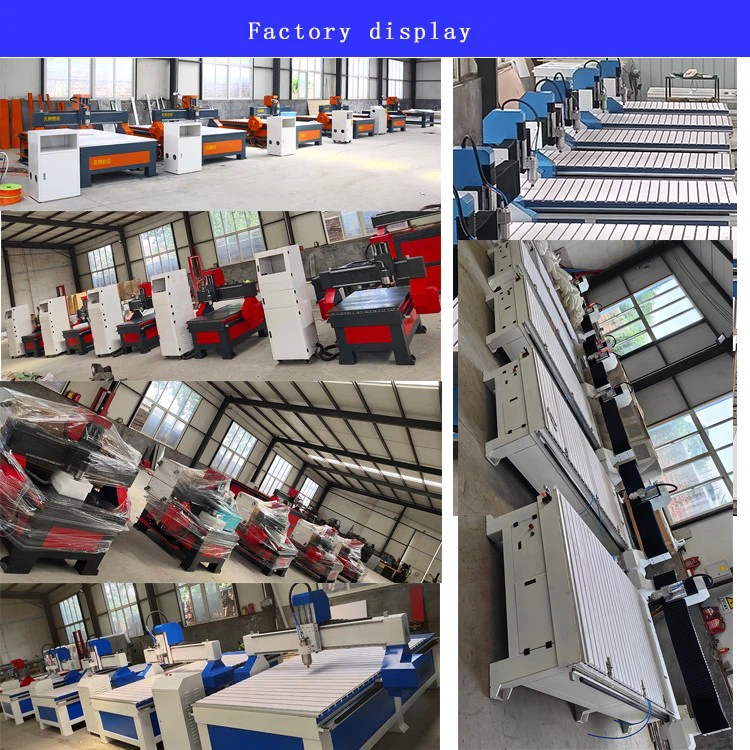
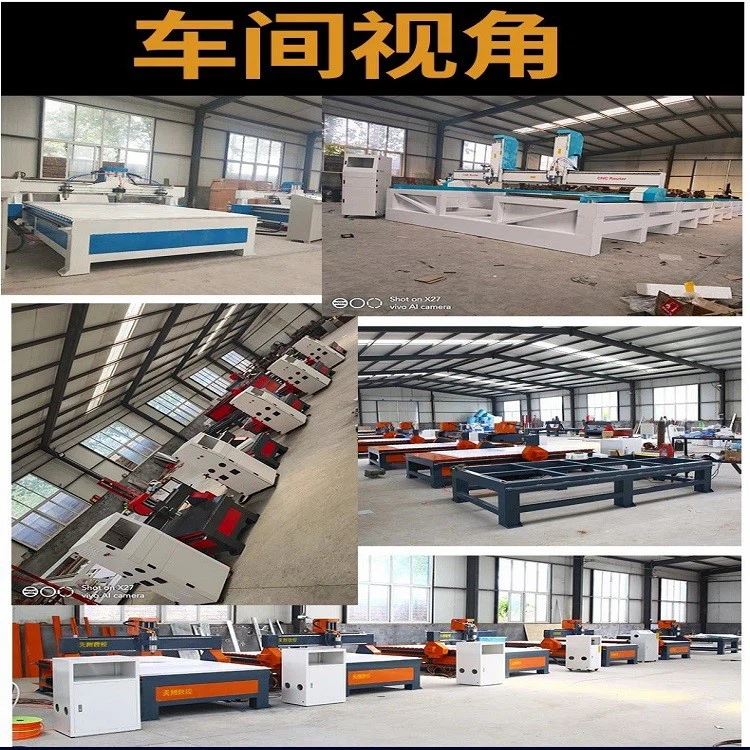
Our Factory
Liaocheng Tianxiang CNC Equipment Co., Ltd. has been producing carving machines for over a decade. We have a skilled design and technical team, our own production facility, and offer customization for various machines, including specialized fixtures. Our experience and technology are well-developed and advanced.
Our Product
We are a high-tech enterprise specializing in the research, production, and sales of a wide range of carving machines. Our products include woodworking carving machines, advertising carving machines, stone carving machines, Buddha carving machines, metal mold machines, jade carving machines, laser carving machines, relief machines, cylindrical carving machines, polystyrene carving machines, and woodworking CNC machining centers.
Product Application
Our machines are used across various industries. These include advertising, woodworking, stone, metal, craft gifts, furniture manufacturing, mold and model making, as well as electronic and electrical industries.
Production Market
Our products are exported to over 40 countries and regions, including South Korea, Russia, the United States, Japan, Thailand, Malaysia, Vietnam, Canada, Iraq, Indonesia, Italy, and Hong Kong.
Benefits of UV Laser Marking Machine
High precision
UV lasers can mark very small and intricate designs with high precision and minimal distortion.
Non-contact marking
UV lasers do not physically touch the material being marked, which eliminates the risk of damage or wear to the material.
Permanent marking
UV laser marking creates a permanent, high-resolution mark that is resistant to fading, wear, and tampering.
Wide range of materials
UV laser marking can be used on a wide range of materials including plastics, metals, ceramics, and glass.
Low maintenance
UV laser marking machines have a low maintenance cost and require minimal upkeep. Additionally, the UV laser source has a long lifespan and does not require frequent replacement.
How do UV laser marking systems work? Operating at 355 nm, UV lasers have a much shorter wavelength compared to other laser technologies. Using a process termed “cold processing,” UV lasers emit high-energy photons in the ultraviolet spectrum that break the chemical bonds in the material, causing it to undergo non-thermal process damage. This process does not produce thermal deformation (heat damage) in the inner layers or nearby areas of the target.
A UV laser’s wavelength is one-third that of standard wavelength lasers and is often referred to as a third-harmonic generation (THG) laser. This wavelength is achieved by passing a standard wavelength laser at 1064 nm through a non-linear crystal, reducing it to 532 nm. This is then passed through another crystal, reducing its wavelength further to the working 355 nm.
A shorter wavelength provides several benefits, making UV lasers suitable for a range of industries, especially for applications involving plastic and glass marking. Compared to other common laser wavelengths (532 nm and 1064 nm), UV lasers exhibit a high rate of absorption across a broad range of materials, including metals, plastics, and glass. The high absorption rate is due to the interaction of UV light with the atomic bonds in the material. When exposed to UV light, the atomic bonds break, rather than the material vaporizing or melting. This reduces the heat-affected zone (HAZ) and is why UV lasers are referred to as “cold lasers,” requiring less power to achieve a mark compared to other wavelengths of light.
High-Resolution Marking: UV lasers make clear and detailed markings for QR codes and logos that need accuracy.
Minimal Heat Damage: Cold marking prevents warping or changing the substrate, keeping the material’s mechanical and chemical properties intact.
Sub-Micron Precision: The UV laser is ideal for micro-manufacturing because it can create extremely small and intricate features. This is possible because the laser has the capability to focus on a minuscule point.
Wide Material Compatibility: Whether marking sensitive biomedical devices or robust industrial parts, UV lasers handle a broad spectrum of materials without compromising surface quality.
Environmentally Safe: UV laser marking is an eco-friendly option that doesn’t require inks or solvents, helping companies be more sustainable.
Reduced Operating Costs: No need to buy supplies and less maintenance means it costs less to use than other ways of marking.
Improved Process Efficiency: UV lasers work faster, marking things quicker and reducing time needed for marking.
Enhanced Safety Features: UV laser machines have safety features like shields and sensors to protect operators from laser exposure.
Integrated Into Production Line: It can be added to the production line using custom software, with little downtime, and increase marking efficiency.

Applications of UV Laser Marking Machines
UV laser engraving machines can mark various materials, including:
Plastics: Examples of markable plastics include acrylic, polyethylene, polyvinyl chloride (PVC) and nylon.
Metals: UV lasers can surface mark certain metals
Wood: Mark nearly any wood. Types of wood for UV laser marking include walnut, oak, maple, birch, plywood, cherry and fiberboard.
Glass: Our laser markers can engrave glass without causing it to break or splinter.
Paper: You can cut and laser mark paper and cardboard with clear contrasts.
What materials can be marked by a UV laser marking machine?
Cold Laser Engraving
Also known as blue laser beam technology, this method has the capacity to engrave with a low rate of heat. The light wavelength or UV light spectrum of this machine is a key reason it can engrave various materials without heating the surface, unlike Fiber and CO2 lasers. This allows the UV laser to mark clearly and with high precision on all plastics and other materials sensitive to heat.
Plastics
There are thousands of different plastic formulations, and all can be engraved with UV laser technology. These are some of the most common plastics engraved with our laser engraver machine.
Metals
The UV laser can engrave and mark metals, but not always with the same effect as a fiber laser engraver. While a fiber laser can etch metal surfaces deeply and clearly, the UV laser may struggle with metals covered in paint or highly reflective metals like copper.
Wood
The UV laser is a versatile technology, ideal for engraving plastics and some common metals. One of its significant advantages is engraving non-metal materials like wood. While it cannot achieve deep and fast etching like a CO2 galvanometer laser, it can produce light and beautiful markings on wood surfaces.
Glass
The UV laser is capable of engraving glass surfaces without causing breaks or overheating the material. It can create impressive engravings and patterns without causing glass splintering.
Paper and Cardboard
Engraving cardboard also depends on the material, with results differing from those achieved with CO2 machines. While CO2 machines carbonize the surface of cardboard or paper, the UV laser generates a chemical reaction that marks the material surface.
Compare Different Laser Marking Technologies
CO2, fiber, UV, and MOPA are different types of laser marking machines. Below are their technological differences:
CO2 Laser Marking Machines
Carbon dioxide (CO2) lasers are based on gas technology, using sealed tubes with molecular gas as the marking source for non-metallic surfaces. They are ideal for marking leather, foil, acrylic, plastics, glass, and wood.
CO2 laser sources have lower intensity but can achieve high-speed marking on non-metallic materials and some precious metals.
Fiber Laser Marking Machines
Fiber laser machines use a beam of light to engrave or mark both metallic and non-metallic materials. They are suitable for ceramics, metals, plastics, and other materials.
These machines create precise text, patterns, and designs with high light intensity, offering versatility, speed, and accuracy.
UV Laser Marking Machines
UV laser machines use a highly absorbent wavelength (355 nm) to permanently mark various material types. They are effective for engraving different plastics, ceramics, metals, and glass.
UV lasers are ideal for industrial applications that require high-resolution markings.
MOPA Laser Marking Machines
Master Oscillator Power Amplifier (MOPA) laser machines utilize this advanced technology to mark a wide range of surface materials. The laser’s light energy can etch plastics and nickel alloys without causing mechanical deformation.
What Is the Equipment Description of a UV Laser Marking Machine?

Ultraviolet (UV) lasers are a type of cold light used primarily for super-precise marking and engraving. They are particularly suitable for applications such as food and pharmaceutical packaging, micro punching, and high-speed glass marking.
UV laser marking and cutting are precise, smooth, and steep due to the lack of heat effects. Except for copper, a 355 nm UV laser can be absorbed by many materials, making it versatile for manufacturing various material types.
1.Equipped with a high-end UV laser generator.
2.Ultraviolet light scanning galvanometer system.
3.Small focusing light spot with excellent beam quality and reliability.
4.Low energy consumption, eco-friendly materials, and maintenance-free.
5.Imported optical system.
6.Ergonomic interface and surface design, small and exquisite.
7.Special UV control software with strong compatibility, enabling high speed, high precision, and extended operational time.
Maintenance Tips for UV Laser Marking Machine
Regular Cleaning of the Lens
Some tasks need to be performed daily, while others are less frequent. Cleaning the lens is a task that should be done every morning before operating the machine. Always turn off the device before cleaning to avoid potential danger. There are usually several mirrors, so clean each one separately. The manual will provide information on the location of each mirror to ensure none are missed. Be very careful during this process, as lenses, though not extremely fragile, can still be damaged if not handled properly.
Periodic Cooling Check
To ensure the UV laser marking machine operates efficiently for as long as possible, proper cooling must be maintained. Unlike fiber laser marking engravers, which only require air cooling, UV engravers also need water cooling. Check the water tank monthly, clean it, and replace the water with distilled water to prevent limescale and other impurities. Ensure there is adequate space around the machine for air cooling. The device should not exceed 30 degrees Celsius, as higher temperatures can cause damage. If the temperature exceeds this limit, turn off the machine immediately, let it cool down, then investigate the cause of the overheating. Always disconnect the machine from the power source when changing the water or cleaning the pump.
Don’t Forget the Air Pump
Although water is the primary cooling method, air cooling is also important. Regularly clean the air pump, as it can accumulate dust and debris. If the machine becomes unusually loud, it’s a sign that the air pump needs cleaning. However, it’s best not to wait for this sign and to vacuum the air pump every week or two.
Check the Sliding Track
For accurate cuts and stable laser operation, periodically check the sliding track, ideally every few days. First, wipe the track with a cotton cloth, then apply engine oil to ensure smooth operation.
Our Factory
Our company is a high-tech enterprise dedicated to the development, production, and sales of optical and electrical products such as CNC engraving machines, CNC plasma cutting machines, laser engraving machines, laser marking machines, computer engraving machines, and laser welding machines. We are committed to providing customers with high-quality products and services. Since its establishment, the company has always been guided by market demand, driven by technological innovation, and aimed at customer satisfaction, winning widespread market recognition and customer trust.

FAQ
As one of the most professional uv laser marking machine manufacturers and suppliers in China, we're featured by quality products and good price. Please rest assured to buy high-grade uv laser marking machine for sale here from our factory.
UV Laser Ceramic Marking Machine, UV Laser Leather Marking Machine, uv laser marking machine