

CNC Machine Parts
CNC machining is used in almost every industry due to the quality and precision of the parts it produces, coupled with relatively low labor requirements. CNC machining makes difficult-to-produce, tightly toleranced parts highly repeatable, and manufactures them in timeframes that are impossible for manual machining operations to match. While CNC machines greatly reduce the amount of energy an operator has to spend to operate them, understanding how they work is still incredibly important to achieve good results.
-
 M860H Stepper Motor DriverStable and reliable quality condensed more than 20 years of professional production experience design materials work pursuit of excellence, quality as the life of the enterprise, the use of strictAdd to Inquiry
-

-
 4kw Inverter4kw inverter Widely used in fans, pumps, CNC machine tools, textile machinery, water and wood machinery, food machinery, transmission equipment, injection molding machine, air compressor, blender,Add to Inquiry
-
 3.2kw Vacuum Cleaner1. The cloth bag branches to keep the upper cloth bag does not sag, the operation does not swing.. 2. Polyester silk cloth bag on the cloth bag good ventilation, the lower bag efficient dustAdd to Inquiry
-
 Engraving Milling CutterEngraving milling cutter The whole tungsten steel, to create a durable, mirror grinding process, cutting smooth and smooth.Add to Inquiry
-
 Er20 Tool HolderEr20 tool holder 65 manganese titanium quenched steel, high elasticity, high tensile strengthGood clamping fastness and stable cutting.Add to Inquiry
-
 Er20 Nut1. Preset dynamic balance of high-precision ER nuts, suitable for engraving machine/machining center 30000 RPM under machine tool use.2. Suitable for ER type tool handle, tool bar and extension theAdd to Inquiry
-
 Spindle Cooling Water Pump1. Spindle cooling water pump selection specifications in line with the principle of choosing large not small, you can refer to the original machineEquipped with the same specifications or largeAdd to Inquiry
-
 4.5kw Air Cooling Spindle4.5kw air cooling spindle The lengthened rotor has high rotation accuracy and the spindle has high precision assemblyFour bearings Four P4 grade precision bearings, in the spindle high-speedAdd to Inquiry
-
 3.2kw Water Cooled SpindleThe frequency is 400HZ, and the rated frequency of household or three-phase voltage output can only reach 50-60HZ. ifThe voltage you put in at 50HZ is 220V or 380V, and the motor burns out directly.Add to Inquiry
-
 Engraving Machine Air-cooled SpindleEngraving machine air cooled spindle Thickened plate, pure copper coil, air cooling heat dissipation, so that the motor can be used longer.Add to Inquiry
-
 Servo MotorUsing the latest special motor control DSP chip and vector closed-loop control technology, completely overcome the problem of open-loop stepper motor lost step, while significantly improving motorAdd to Inquiry


Why choose us
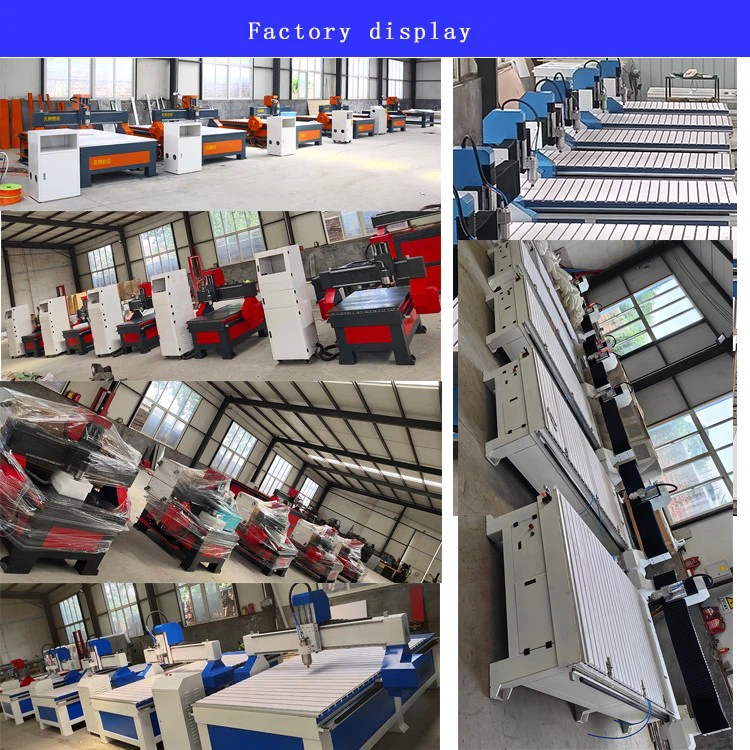
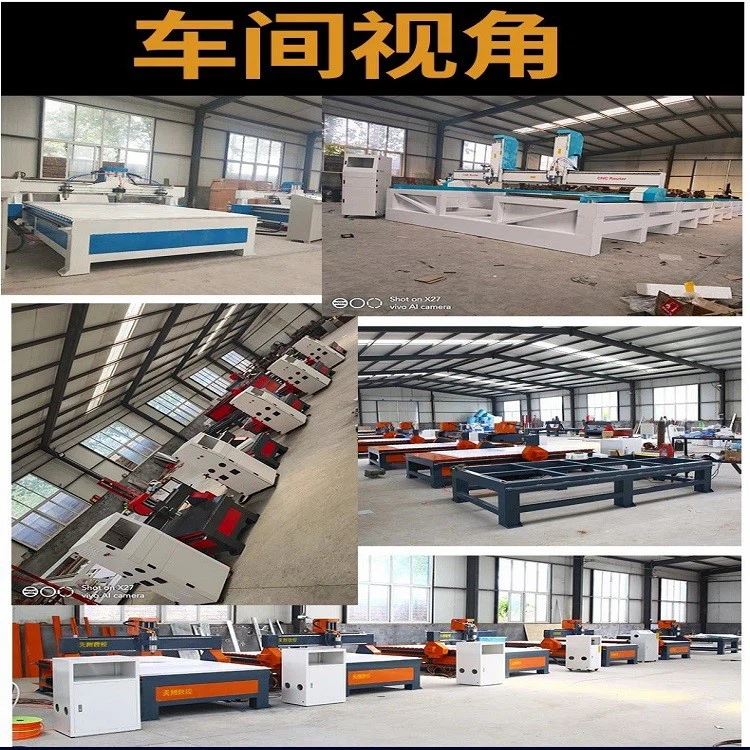
Our Factory
Liaocheng Tianxiang CNC Equipment Co., Ltd. has been producing carving machines for over a decade. We have a skilled design and technical team, our own production facility, and offer customization for various machines, including specialized fixtures. Our experience and technology are well-developed and advanced.
Our Product
We are a high-tech enterprise specializing in the research, production, and sales of a wide range of carving machines. Our products include woodworking carving machines, advertising carving machines, stone carving machines, Buddha carving machines, metal mold machines, jade carving machines, laser carving machines, relief machines, cylindrical carving machines, polystyrene carving machines, and woodworking CNC machining centers.
Product Application
Our machines are used across various industries. These include advertising, woodworking, stone, metal, craft gifts, furniture manufacturing, mold and model making, as well as electronic and electrical industries.
Production Market
Our products are exported to over 40 countries and regions, including South Korea, Russia, the United States, Japan, Thailand, Malaysia, Vietnam, Canada, Iraq, Indonesia, Italy, and Hong Kong.
Parts of CNC Machine
A CNC machine consists of several main parts that work together to produce precision parts and components. Here are the 15 main parts of a CNC machine and their functions:
Power Supply – The power supply provides electricity to the machine, which is used to power the motor.
Way Covers – Way covers are used to protect the machine’s moving parts from dust, debris, and other contaminants.
Chuck – The chuck is the component that holds the workpiece in place while it is being machined.
Axis – The axis refers to the direction in which the machine moves. CNC machines typically have three or more axes, which allows them to move in multiple directions and produce complex geometries.
Feed Rate – The feed rate refers to the speed at which the cutting tool moves along the workpiece. This can be adjusted to produce different surface finishes and speeds.
Cutting Tool – The cutting tool is the component that removes material from the workpiece. It can be a drill, end mill, or other type of cutting tool.
Workpiece – The workpiece is the material that is being machined. It can be made from a wide range of materials, including metals, plastics, and composites.
Tool Holder – The tool holder is the component that holds the cutting tool in place. It is attached to the spindle and allows for quick and easy tool changes.
Coolant System – The coolant system is used to cool the cutting tool and workpiece during machining. This helps to prevent overheating and improve tool life.
Motor – The motor is the component that drives the spindle and other moving parts of the machine. It can be electric, hydraulic, or pneumatic.
Control Panel – The control panel is the interface between the operator and the machine. It allows the operator to input commands and control the machine’s movements.
Ball Screws – Ball screws are used to convert rotational motion into linear motion. They are used to move the axis of the machine with precision and accuracy.
Spindle – The spindle is the rotating component that holds the cutting tool. It rotates at high speeds to remove material from the workpiece.
Encoders – Encoders are used to provide feedback on the position of the machine’s moving parts. This helps to ensure that the machine is operating correctly and producing parts with the desired dimensions.
Computer – The computer is the brain of the machine. It is used to program the machine, control its movements, and monitor its performance.
Advantages of CNC Machine Parts
Precision
CNC machines produce extremely precise components with tight tolerances, resulting in high-quality finished products that meet exact specifications.
Consistency
CNC machines can produce identical components repeatedly, ensuring consistent quality and performance across multiple products.
Speed
CNC machines operate quickly and efficiently, reducing lead times and improving productivity.
Flexibility: CNC machines can be programmed to produce a wide variety of components, allowing manufacturers to create complex and intricate parts that would be difficult or impossible to produce using traditional methods.
Automation
CNC machines can be fully automated, reducing the need for human labor and minimizing the risk of errors or accidents.
Cost-effectiveness
CNC machines produce components with minimal waste and scrap, reducing material costs and improving efficiency.
Versatility
CNC machines work with a wide range of materials, including metals, plastics, and composites, allowing for greater flexibility in the manufacturing process.
Design and Tolerance Considerations for CNC Machined Parts
For engineers, there are a number of things to keep in mind when designing and defining tolerances for CNC machined parts. Outside of part functionality and durability, it’s important to design your part for the manufacturing process. You’ll want to consider factors like:
Cost
A number of factors can impact the total cost of your CNC machined parts, including setup, programming, material selection, part complexity, and production volume. Taking all of this into account during design will help ensure that your part has been optimized for the most cost-effective solutions.
Lead Time
Lead times in CNC machining can be influenced by everything from tolerance requirements and part complexity to machine setups and standard vs custom tools. A well-designed part can help reduce lead times and enhance productivity.
Design Feasibility
Finally, be sure to consider whether or not your part is well-suited for the CNC machining process. For instance, if you need cavities that are less than 2.5 mm in diameter, this is typically considered micro-machining and may require specialized tooling to achieve.
CNC machining parts have a wide range of applications across various industries due to their versatility, precision, and ability to produce complex shapes with high accuracy. Some common applications include:
Aerospace: CNC machined parts are used in aircraft structures, engine components, landing gear, and avionics systems. These parts must meet strict tolerances and material specifications to ensure safety and reliability in aerospace applications.
Automotive: CNC machining is employed in the manufacturing of automotive components such as engine parts, transmission components, chassis, suspension systems, and interior fittings. Precision machining ensures the functionality, performance, and durability of automotive parts.
Medical: CNC machined parts are vital in medical devices and equipment, including surgical instruments, prosthetics, implants, and diagnostic tools. The precision of CNC machining is crucial for achieving the necessary accuracy and compatibility with biological systems.
Electronics: CNC machining is used to fabricate components for electronic devices, including computer hardware, mobile phones, semiconductors, and electronic enclosures. The ability to produce intricate shapes and features is essential for miniaturization and performance optimization in electronics.


Defense and Military: CNC machining is integral to the production of military vehicles, weapons systems, communication equipment, and armor plating. These parts must meet stringent specifications for strength, durability, and compatibility with other systems.
Oil and Gas: CNC machined parts are utilized in drilling equipment, valves, pumps, and pipeline components for the oil and gas industry. These parts often require resistance to corrosion, high temperatures, and extreme pressure conditions.
Industrial Machinery: CNC machining is essential in the manufacturing of industrial machinery, including machine tools, presses, pumps, and turbines. Precision components are critical for ensuring the performance, reliability, and efficiency of industrial equipment.
Consumer Goods: CNC machining is employed in the production of consumer products such as appliances, sporting goods, jewelry, and household items. It enables the fabrication of custom-designed parts with high-quality finishes and intricate details.
Research and Development: CNC machining plays a vital role in prototyping and product development across various industries. It allows engineers and designers to quickly iterate and test new designs before mass production.
The CNC Machine Control Panel Features
A CNC device control panel is pivotal for the operation and management of CNC equipment, as it comprises a variety of facilities that ensure accuracy and efficiency in machining. Typically, such features include:
Display and Interface: In most cases, up-to-date CNC control panels have sophisticated display screens which are often touch-sensitive that show real-time information about the machine’s performance, tool paths and operational status. With this user-friendly interface, operators can easily watch over and adjust various parameters during machining.
Manual Data Input (MDI): This feature allows operators to manually enter G-code commands, thereby providing flexibility for quick adjustments or specific tasks without necessarily rewriting an entire program.
Control Buttons & Switches: There are different buttons and switches on this board used for emergency stop, cycle start, feed hold, and spindle control, among others. These controls make it possible to respond immediately when necessary thus promoting safe use of machines.
Jogging Controls: Jog wheels, together with dedicated buttons, enable accurate manual positioning of machine axes, especially when setting up workpieces or aligning tools.
Program Management: Advanced types of these boards support program storage plus management whereby an operator can load edit save directly from the interface.
Safety Features: Interlock systems integrated with overload protection are among safety measures which ensure safe operations not only on personnel but also on equipment itself.
Network Connectivity: Majority modernized CNC panels come with network connectivity options that allow remote monitoring; diagnosis as well updates to be done from elsewhere apart from where they are located. Such kind of connection facilitates integration into CAD/CAM software alongside other digital manufacturing systems too.
How to Build the Process Flow of a CNC Machined Part
Analysis of Part Dimensions
When examining the part drawing, it is essential to consider how dimensions are marked. Dimensions should be presented in a way that facilitates machining. Using a single reference point or direct coordinates helps simplify programming.
Integrity and Correctness of Part Drawings
Ensure the drawing is complete and accurate, paying close attention to the geometric elements such as lines and surfaces. Inaccurate drawings can complicate CNC programming and lead to incorrect parts.
Analysis of Part Requirements
Technical requirements for parts include dimensional accuracy, shape and position tolerances, surface roughness, heat treatment, surface treatment, and packaging. Analyzing these requirements helps determine the correct CNC machining processes, clamping methods, cutting tools, and process parameters.
Raw Material Analysis
Choose raw materials that are cost-effective and easy to machine while meeting the part’s functional requirements. SINOTECH typically processes CNC machined parts according to customer specifications. We assess material costs and machinability, discuss performance requirements with customers, and recommend materials with better cost-performance ratios.
Analysis of Other Component Drawings and Assembly Drawing
When processing multiple CNC machined parts as part of an assembly, consider the assembly requirements. Verify the assembly’s accuracy before shipping the parts, even if an assembled unit is not required.
Selection of Positioning Reference
In CNC machining, using a consistent benchmark is crucial, as machining operations are often concentrated. Auxiliary benchmarks may be needed, especially for parts that require machining on both sides, to ensure uniformity of process benchmarks.
CNC machining is not always suitable for all parts of the process. Carefully analyze the part structure to select the most appropriate CNC machining operations. Consider the machine shop’s equipment, focus on solving key issues, and improve production efficiency. When selecting CNC machining content, prioritize:
1.Content that general machine tools cannot handle.
2.Content that is difficult to machine or ensure quality with general machine tools.
3.Content with low machining efficiency and high labor intensity when CNC machines have sufficient capacity.
Additionally, consider production batch size, production cycle, and turnover between processes to achieve rational, efficient, and cost-effective CNC machining.
Identify the CNC machine used for manufacturing the part and determine its capabilities, including maximum spindle speed, tool capacity, and axis movements. Understanding the machine’s capabilities will help in selecting appropriate cutting tools, setting cutting parameters, and optimizing the machining sequence.
Consider the following factors when choosing cutting tools for CNC machined parts:
4.The material category of the part, such as nonferrous metals, ferrous metals, composite materials, or plastics.
5.Material properties, including hardness, toughness, and organizational state.
6.Type of cutting process, such as CNC turning, drilling, milling, or boring.
7.The workpiece’s geometric shape, accuracy, and machining allowance.
8.The cutting load the tool must withstand.
9.Conditions at the production site.
10.The production batch size, which affects the economic life of the cutting tools.
Our Factory
Our company is a high-tech enterprise dedicated to the development, production, and sales of optical and electrical products such as CNC engraving machines, CNC plasma cutting machines, laser engraving machines, laser marking machines, computer engraving machines, and laser welding machines. We are committed to providing customers with high-quality products and services. Since its establishment, the company has always been guided by market demand, driven by technological innovation, and aimed at customer satisfaction, winning widespread market recognition and customer trust.

FAQ
As one of the most professional CNC machine parts manufacturers and suppliers in China, we're featured by quality products and good price. Please rest assured to buy high-grade CNC machine parts for sale here from our factory.
