

Servo motors are widely used in various industrial and automation applications due to their high precision and controllability. However, one common issue that users often encounter is the noise generated by these motors. Excessive noise not only affects the working environment but may also indicate potential problems with the motor. As a servo motor supplier, I understand the importance of addressing this issue. In this blog, I will share some effective ways to reduce the noise of a servo motor.
Understanding the Sources of Servo Motor Noise
Before we delve into the solutions, it's crucial to understand where the noise comes from. There are several main sources of noise in a servo motor:

- Mechanical Sources: These include issues such as misaligned belts, gears, or bearings. When these components are not properly aligned or lubricated, they can create friction and vibration, resulting in noise. For example, if the bearings are worn out, they may produce a grinding or rattling sound.
- Electrical Sources: Electrical noise can be caused by issues like electromagnetic interference (EMI), improper wiring, or problems with the motor's power supply. EMI can cause unwanted signals to be introduced into the motor's control system, leading to noise and instability.
- Control System Issues: Incorrect tuning of the servo controller can also lead to noise. If the controller parameters are not set correctly, the motor may experience oscillations or overshoot, which can generate noise.
Mechanical Solutions
Proper Installation and Alignment
One of the most basic yet important steps in reducing servo motor noise is to ensure proper installation and alignment. When installing the motor, make sure it is mounted securely on a stable surface. Any loose mounting can cause the motor to vibrate and generate noise.
In addition, the alignment of the motor shaft with the load is crucial. Misaligned shafts can cause uneven stress on the bearings and other mechanical components, leading to premature wear and increased noise. Use alignment tools to ensure that the motor and the load are properly aligned.
Bearing Maintenance
Bearings are a common source of mechanical noise in servo motors. Regular maintenance of bearings is essential to reduce noise. This includes checking the bearings for wear and tear, lubricating them as recommended by the manufacturer, and replacing them when necessary.
Using high - quality bearings can also make a significant difference. High - precision bearings are designed to operate more smoothly and quietly, reducing the overall noise level of the motor.
Belt and Gear Tension
If the servo motor is connected to the load through belts or gears, proper tension is essential. Over - tightened or under - tightened belts and gears can cause noise and premature wear. Check the tension regularly and adjust it according to the manufacturer's specifications.
Electrical Solutions
EMI Shielding
To reduce electrical noise caused by EMI, use proper shielding techniques. This can include using shielded cables for the motor's power and control connections. The shield helps to block external electromagnetic signals from interfering with the motor's operation.
In addition, installing EMI filters can also be effective. These filters are designed to suppress high - frequency noise and prevent it from entering the motor's control system. Place the filters as close to the motor as possible for maximum effectiveness.
Proper Wiring
Ensure that the wiring for the servo motor is done correctly. Loose or damaged wires can cause electrical arcing and noise. Use high - quality wires with the appropriate gauge for the motor's power requirements.
Proper grounding is also crucial. A good ground connection helps to reduce electrical noise and provides a safe path for electrical currents. Make sure that the motor, controller, and other components are all properly grounded.
Power Supply Quality
A stable and clean power supply is essential for the quiet operation of a servo motor. Fluctuations in the power supply voltage can cause the motor to operate erratically and generate noise. Use a regulated power supply to ensure a constant voltage.
In addition, consider using a power conditioner to filter out any electrical noise in the power supply. This can help to improve the overall performance and reduce the noise level of the motor.
Control System Solutions
Correct Tuning of the Servo Controller
The servo controller plays a crucial role in the operation of the motor. Incorrect tuning of the controller can lead to noise and instability. Make sure to follow the manufacturer's guidelines for tuning the controller parameters.
Parameters such as gain, integral time, and derivative time need to be adjusted carefully to ensure smooth and stable operation of the motor. Some modern servo controllers have auto - tuning features that can help to optimize the parameters automatically.
Anti - Oscillation Algorithms
Many servo controllers are equipped with anti - oscillation algorithms. These algorithms can help to reduce oscillations in the motor's operation, which can be a major source of noise. Enable these algorithms and adjust them as needed to minimize noise.
Additional Considerations
Enclosures and Dampening Materials
Using enclosures can help to reduce the noise level of a servo motor. Enclosures can act as a barrier to block the noise from spreading. Choose enclosures that are designed to absorb and dampen sound.
In addition, applying dampening materials to the motor or its mounting surface can also help to reduce vibrations and noise. Materials such as rubber pads or acoustic foams can be effective in reducing the transmission of vibrations.
Regular Monitoring and Maintenance
Regular monitoring of the servo motor's performance is essential. This includes checking the temperature, vibration levels, and noise levels. By detecting any potential issues early, you can take corrective actions before they become major problems.
Establish a regular maintenance schedule for the motor, including cleaning, lubrication, and inspection of all components. This will help to ensure the long - term reliability and quiet operation of the motor.
Conclusion
Reducing the noise of a servo motor requires a comprehensive approach that addresses both mechanical and electrical issues. By following the steps outlined in this blog, you can significantly reduce the noise level of your servo motor and improve its overall performance.
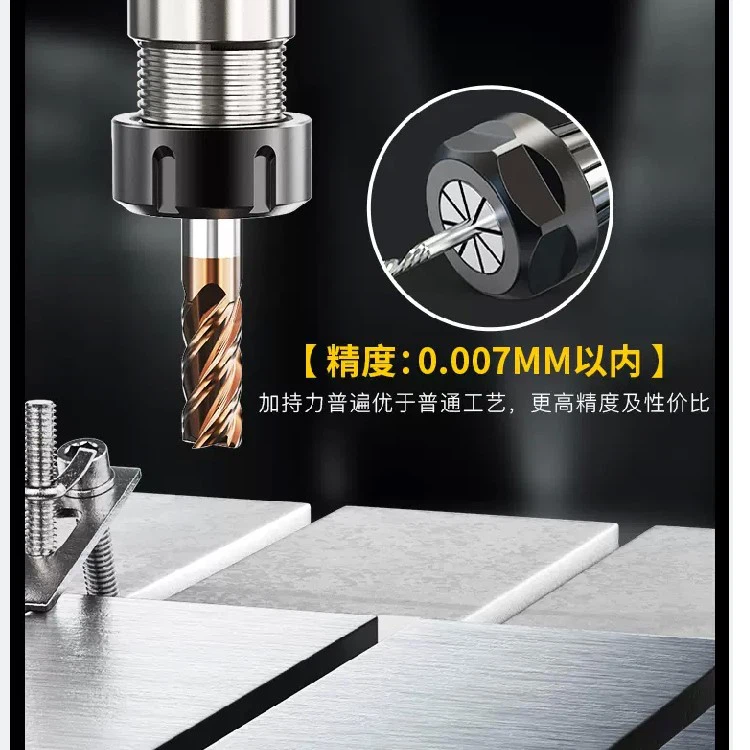
As a servo motor supplier, we are committed to providing high - quality products and solutions to our customers. If you are experiencing noise issues with your servo motor or need more information on noise reduction techniques, we are here to help. We offer a wide range of servo motors and related accessories, such as the 3.2kw Vacuum Cleaner, Er20 Tool Holder, and Er20 Nut.
Contact us today to discuss your specific requirements and let us help you find the best solution for your application. We look forward to working with you to achieve a quieter and more efficient servo motor system.
References
- Servo Motor Handbook, Manufacturer's Manual
- Electrical Engineering Textbooks on Motor Control
- Industrial Automation Magazines and Journals


