

When delving into the world of CNC routers, understanding the acoustic properties of their parts is not just a niche topic; it's a crucial aspect that can significantly impact the overall performance, user experience, and even the longevity of the machine. As a dedicated supplier of CNC router parts, I've witnessed firsthand how these acoustic characteristics play out in real-world applications.
The Significance of Acoustic Properties
Acoustic properties refer to how a material or component behaves in relation to sound. In the context of CNC router parts, these properties can influence everything from the quality of the machining process to the comfort of the operator. Excessive noise can be a sign of mechanical issues, such as misaligned parts or worn-out bearings. It can also lead to operator fatigue and potential hearing damage over time. On the other hand, well-designed parts with favorable acoustic properties can contribute to a smoother, more efficient, and quieter operation.
Acoustic Properties of Key CNC Router Parts
Spindles
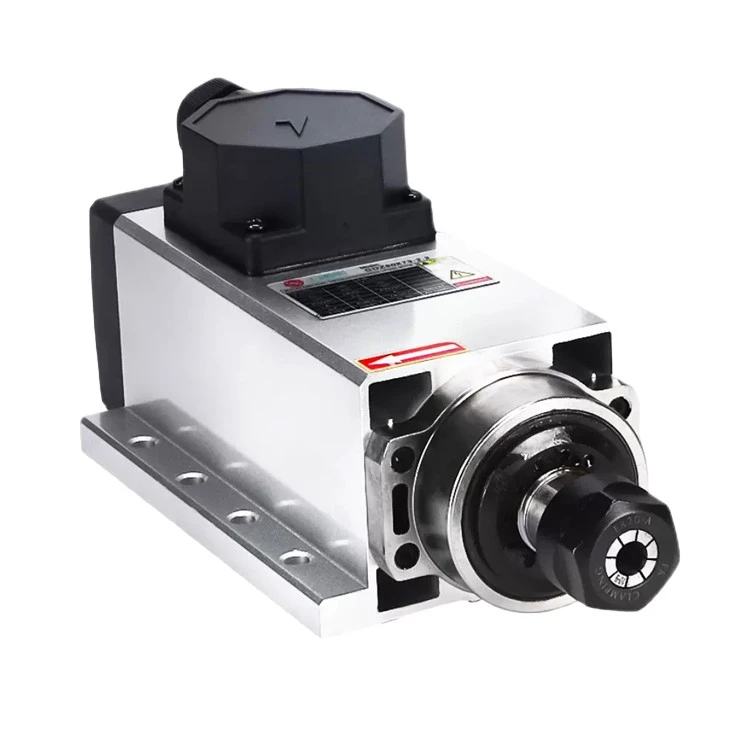
The spindle is the heart of a CNC router, responsible for rotating the cutting tool at high speeds. One of the most popular spindles in our product lineup is the 4.5kw Air Cooling Spindle. The acoustic properties of a spindle are primarily determined by its construction, bearing quality, and cooling mechanism.
A high-quality spindle with precision bearings will produce less vibration and noise. The air cooling system of our 4.5kw spindle not only helps maintain optimal operating temperatures but also contributes to its relatively quiet operation. However, as the spindle runs at high speeds, there will still be some inherent noise. This noise is a combination of the air movement from the cooling system, the rotation of the bearings, and the interaction between the cutting tool and the workpiece.
Manufacturers often use advanced engineering techniques to minimize this noise. For example, the housing of the spindle can be designed to dampen vibrations and reduce sound transmission. Additionally, the use of high-grade lubricants in the bearings can also help reduce friction and noise.
Stepper Motor Drivers
Stepper motor drivers, such as our M860H Stepper Motor Driver, play a crucial role in controlling the movement of the CNC router. The acoustic properties of a stepper motor driver are closely related to its electrical design and the way it drives the stepper motor.
When a stepper motor driver sends electrical pulses to the stepper motor, it can cause the motor to produce a characteristic buzzing sound. This sound is a result of the rapid switching of the electrical currents and the mechanical movement of the motor's internal components. A well-designed driver will minimize this buzzing by using advanced control algorithms and high-quality electrical components.
The M860H Stepper Motor Driver is engineered to provide smooth and precise control of the stepper motor, reducing the amount of noise generated during operation. Additionally, the driver's enclosure is designed to shield the electrical components from external interference and to dampen any internal vibrations that could contribute to noise.
Servo Motors
Servo motors, like our Servo Motor, are another critical component in a CNC router. They offer higher precision and faster response times compared to stepper motors. The acoustic properties of a servo motor are influenced by its design, construction, and the control system used to drive it.
A servo motor typically produces less noise than a stepper motor due to its more sophisticated control mechanism. However, factors such as the motor's speed, load, and the quality of its internal components can still affect its acoustic performance. For example, a servo motor running at high speeds or under heavy loads may produce more noise due to increased mechanical stress and vibration.
To ensure optimal acoustic performance, our servo motors are designed with high-quality bearings and precision-machined components. The control system is also tuned to minimize any unnecessary vibrations and noise.
Measuring and Evaluating Acoustic Properties
Measuring the acoustic properties of CNC router parts is essential for ensuring their quality and performance. There are several methods and tools available for this purpose.
One common method is to use a sound level meter. This device measures the intensity of sound in decibels (dB). By placing the sound level meter at a specific distance from the operating part, we can obtain an accurate measurement of the noise level. However, it's important to note that the noise level can vary depending on factors such as the operating conditions, the type of workpiece, and the cutting tool used.
Another approach is to use vibration sensors. These sensors can detect the vibrations produced by the part and provide valuable information about its mechanical condition. Excessive vibrations can often be a precursor to noise and can indicate potential issues such as misalignment or wear.
In addition to these physical measurements, subjective evaluations by experienced operators can also provide valuable insights. Operators can detect subtle changes in the noise and vibration characteristics of the parts over time, which can help identify potential problems before they become serious.

Impact of Acoustic Properties on CNC Router Performance
The acoustic properties of CNC router parts can have a significant impact on the overall performance of the machine. Excessive noise and vibration can lead to several issues, including:
- Reduced Precision: Vibrations can cause the cutting tool to deviate from its intended path, resulting in inaccurate cuts and poor surface finishes.
- Increased Wear and Tear: Excessive vibrations can accelerate the wear of the parts, leading to premature failure and increased maintenance costs.
- Operator Fatigue: Prolonged exposure to high noise levels can cause operator fatigue, which can affect their concentration and productivity.
On the other hand, parts with favorable acoustic properties can contribute to a more stable and efficient operation. They can help maintain the precision of the cuts, reduce the wear and tear on the machine, and create a more comfortable working environment for the operator.
Conclusion
Understanding the acoustic properties of CNC router parts is essential for anyone involved in the CNC machining industry. As a supplier of CNC router parts, we are committed to providing high-quality products that not only meet but exceed our customers' expectations in terms of performance, reliability, and acoustic properties.
If you're in the market for CNC router parts and are interested in learning more about how the acoustic properties of our products can benefit your operations, we encourage you to reach out to us. Our team of experts is ready to assist you in selecting the right parts for your specific needs and to provide you with all the information you need to make an informed decision. Contact us today to start a conversation about your CNC router part requirements.
References
- "Acoustics for Engineers" by Cyril M. Harris
- "Handbook of Noise and Vibration Control" by Malcolm J. Crocker
- Technical specifications and research materials provided by spindle, stepper motor driver, and servo motor manufacturers.


