

Can a 4 Axis CNC Router Be Used for Fiberglass Cutting?
Hey there! I'm a supplier of 4 axis CNC routers, and I often get asked the question: Can a 4 axis CNC router be used for fiberglass cutting? Well, let's dive right into it and find out.
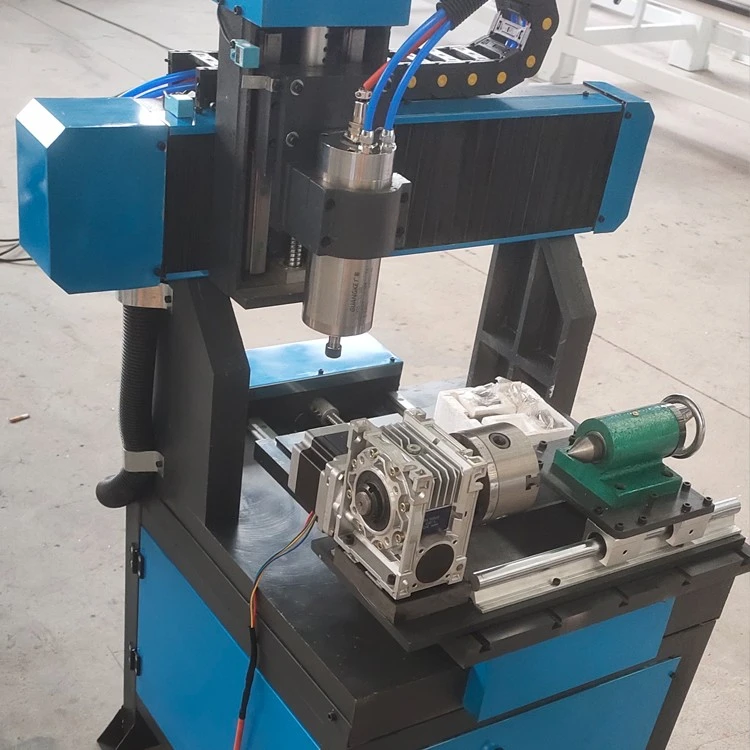
First off, let's talk a bit about what a 4 axis CNC router is. A 4 axis CNC router is a powerful machine that can move in four different directions - the usual X, Y, and Z axes, plus an additional rotational axis. This extra degree of freedom allows for more complex and precise cuts compared to a standard 3 axis router. It's commonly used in various industries for tasks like 4 Axis CNC Stone Engraving Machine, 3D Engraving Machine, and Round Engraving Machine applications.
Now, let's get to the main question - fiberglass cutting. Fiberglass is a composite material made of fine glass fibers embedded in a resin matrix. It's known for its high strength-to-weight ratio, corrosion resistance, and electrical insulation properties. These characteristics make it a popular choice in industries such as aerospace, automotive, marine, and construction.
So, can a 4 axis CNC router cut fiberglass? The short answer is yes, it can. But there are a few things to consider before using a 4 axis CNC router for fiberglass cutting.
Advantages of Using a 4 Axis CNC Router for Fiberglass Cutting
Precision and Complexity
One of the biggest advantages of using a 4 axis CNC router for fiberglass cutting is the ability to achieve high precision and create complex shapes. The additional rotational axis allows for cuts at various angles, which is particularly useful when working on curved or contoured fiberglass parts. This level of precision is difficult to achieve with traditional cutting methods.
Efficiency
CNC routers are automated machines, which means they can work continuously without getting tired or making human errors. This leads to increased efficiency and productivity, especially when cutting large quantities of fiberglass parts. The ability to program the router to follow a specific cutting path also reduces the time and effort required for manual setup and alignment.
Consistency
With a 4 axis CNC router, each cut is identical to the previous one, ensuring consistent quality across all the fiberglass parts. This is crucial in industries where strict quality control standards are in place.
Challenges of Using a 4 Axis CNC Router for Fiberglass Cutting
Tool Wear
Fiberglass is a abrasive material, which can cause significant wear and tear on the cutting tools. This means that the tools need to be replaced more frequently, increasing the overall cost of production. To minimize tool wear, it's important to choose the right type of cutting tools and use appropriate cutting parameters.
Dust and Fumes
Cutting fiberglass generates a lot of dust and fumes, which can be harmful to the operator's health. It's essential to have a proper dust collection system in place to remove the dust and fumes from the work area. Additionally, operators should wear appropriate personal protective equipment, such as masks and goggles.
Resin Curing
Fiberglass is typically made by combining glass fibers with a resin that needs to cure. If the cutting process generates too much heat, it can cause the resin to cure prematurely, leading to poor quality cuts. To prevent this, it's important to use cutting tools and parameters that minimize heat generation.
Tips for Using a 4 Axis CNC Router for Fiberglass Cutting
Choose the Right Cutting Tools
Carbide cutting tools are generally recommended for fiberglass cutting because they are more resistant to wear than other types of tools. The shape and geometry of the cutting tool also play an important role in achieving clean and precise cuts. For example, a tool with a sharp cutting edge and a high helix angle can help reduce the amount of heat generated during cutting.
Optimize Cutting Parameters
The cutting speed, feed rate, and depth of cut are all important parameters that need to be optimized for fiberglass cutting. In general, a slower cutting speed and a higher feed rate are recommended to minimize heat generation and tool wear. The depth of cut should also be adjusted based on the thickness and density of the fiberglass material.
Use a Dust Collection System
As mentioned earlier, a proper dust collection system is essential for fiberglass cutting. The system should be able to capture the dust and fumes generated during the cutting process and remove them from the work area. This not only protects the operator's health but also helps keep the machine clean and functioning properly.

Program the Router Correctly
Proper programming is crucial for achieving accurate and efficient cuts. The cutting path should be designed to minimize the amount of time the tool spends in contact with the fiberglass material. This can help reduce tool wear and heat generation. Additionally, the program should include appropriate safety features, such as emergency stops and tool change instructions.
Conclusion
In conclusion, a 4 axis CNC router can definitely be used for fiberglass cutting. It offers many advantages, such as precision, efficiency, and consistency. However, there are also some challenges that need to be addressed, such as tool wear, dust and fumes, and resin curing. By following the tips outlined in this blog post, you can overcome these challenges and achieve high-quality fiberglass cuts with a 4 axis CNC router.
If you're interested in using a 4 axis CNC router for fiberglass cutting or any other application, I'd love to hear from you. Feel free to reach out to me to discuss your specific needs and see how our machines can help you improve your production process.
References
- "CNC Machining Handbook" by John T. Black
- "Fiberglass Reinforced Plastics Handbook" by George Lubin


