

As a supplier of 4kw inverters, I often receive inquiries from workshop owners about whether a 4kw inverter can be used in their workshops. This question is not only relevant to the efficiency and safety of the workshop equipment but also to the overall cost - effectiveness of the operation. In this blog, I will explore this topic in detail and provide you with a comprehensive analysis.
Understanding the Basics of a 4kw Inverter
Before we dive into whether a 4kw inverter can be used in a workshop, it's important to understand what a 4kw inverter is. An inverter is an electronic device that converts direct current (DC) to alternating current (AC). The "4kw" refers to its power capacity, which means it can handle a maximum power output of 4 kilowatts.
This power capacity makes it suitable for a variety of applications. In a workshop setting, it can potentially power several tools and equipment simultaneously, depending on their power requirements. However, to determine its suitability, we need to take a closer look at the specific equipment commonly found in workshops.
Common Workshop Equipment and Their Power Requirements
Workshops are equipped with a diverse range of tools and machinery. Let's examine some of the most common ones and their typical power consumption:
Power Tools
- Drills: Small handheld drills usually consume between 500 - 1000 watts, while larger drill presses may require 1500 - 2000 watts.
- Saws: Circular saws can use around 1200 - 1800 watts, and band saws may consume 1500 - 2500 watts.
Specialized Equipment
- M860H Stepper Motor Driver: Stepper motor drivers are crucial for precise control in CNC machines. The power consumption of the M860H Stepper Motor Driver can vary, but it generally ranges from 200 - 500 watts.
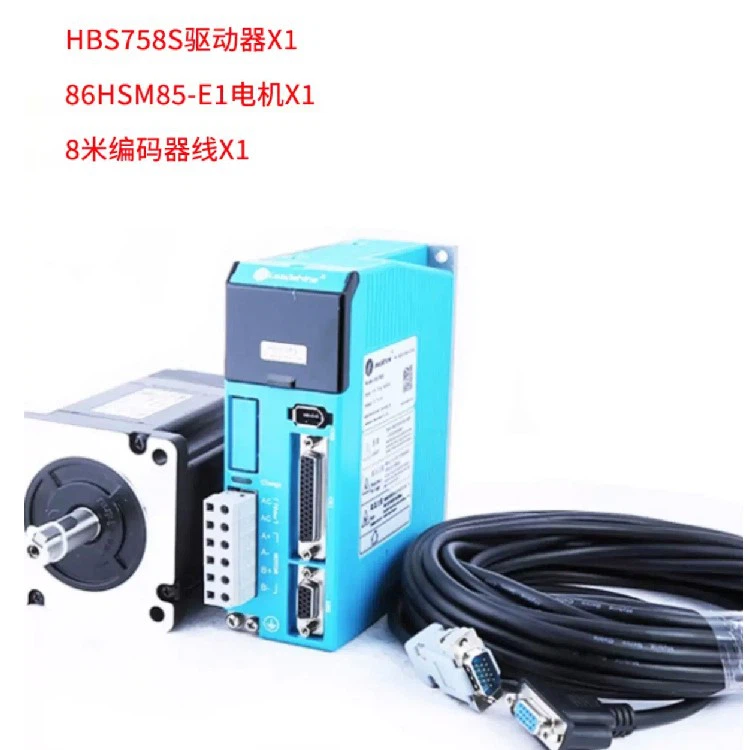
- Servo Motor: Servo motors are known for their high - precision movement. Depending on the size and application, they can consume anywhere from 300 - 3000 watts.
- 3.2kw Water Cooled Spindle: As the name suggests, this spindle has a power rating of 3.2 kilowatts. It is commonly used in CNC routers for cutting and shaping various materials.
Analyzing the Feasibility of Using a 4kw Inverter in a Workshop
To determine if a 4kw inverter can be used in a workshop, we need to consider the following factors:
Simultaneous Equipment Usage
If you plan to run multiple high - power tools at the same time, a 4kw inverter may not be sufficient. For example, if you try to operate a 3.2kw water - cooled spindle and a 1500 - watt band saw simultaneously, the total power demand (4700 watts) will exceed the inverter's capacity. This can lead to overloading, which may cause the inverter to shut down or, in severe cases, damage the equipment.
However, if you stagger the use of your tools, running one at a time or combining low - power tools, a 4kw inverter can be a viable option. For instance, you can use the inverter to power a drill (1000 watts), a small grinder (500 watts), and a M860H Stepper Motor Driver (300 watts) simultaneously, as the total power consumption (1800 watts) is well within the inverter's capacity.
Starting Surges
Some equipment, especially motors, require a higher initial surge of power to start up. This starting surge can be two to three times the normal operating power. For example, a servo motor with a normal operating power of 1000 watts may require a starting surge of 2000 - 3000 watts. When evaluating the use of a 4kw inverter, you need to account for these starting surges to ensure that the inverter can handle them without tripping.
Advantages of Using a 4kw Inverter in a Workshop
- Portability: A 4kw inverter is relatively compact and portable compared to larger power systems. This allows you to move it around the workshop easily or even take it to different job sites if needed.
- Energy Efficiency: Inverters are designed to convert DC power to AC power with high efficiency. This can result in lower energy consumption and cost savings in the long run.
- Backup Power: In case of a power outage, a 4kw inverter can be connected to a battery bank to provide emergency power to your essential workshop equipment. This ensures that you can continue working without significant interruptions.
Limitations and Challenges
- Limited Power Capacity: As mentioned earlier, the 4kw power capacity may not be sufficient for workshops with high - power equipment or those that require multiple tools to run simultaneously.
- Battery Requirements: If you are using the inverter with a battery bank for backup power, you need to ensure that the battery has enough capacity to supply the inverter. This can add to the overall cost and complexity of the system.
Case Studies
Let's look at two case studies to illustrate the practical use of a 4kw inverter in workshops:

Case Study 1: Small Woodworking Workshop
A small woodworking workshop mainly uses hand - held power tools such as drills, sanders, and small saws. The owner installed a 4kw inverter to power these tools. By staggering the use of the tools, the inverter has been able to meet the power requirements without any issues. The owner also uses the inverter as a backup power source during power outages, allowing him to continue working on small projects.
Case Study 2: CNC Workshop
A CNC workshop has several high - power machines, including a 3.2kw water - cooled spindle and multiple servo motors. When the owner initially tried to use a 4kw inverter, they experienced frequent overloading issues. After consulting with experts, they decided to upgrade to a larger inverter to handle the power demands of their equipment.
Conclusion
In conclusion, whether a 4kw inverter can be used in a workshop depends on the specific equipment and usage patterns in the workshop. For workshops with low - power tools and staggered usage, a 4kw inverter can be a practical and cost - effective solution. However, workshops with high - power equipment or those that require multiple tools to run simultaneously may need a larger inverter.
If you are considering using a 4kw inverter in your workshop, I recommend conducting a detailed assessment of your equipment's power requirements. Our team of experts is always ready to assist you in making the right decision. We can provide you with in - depth information about our 4kw inverters and help you determine if they are suitable for your workshop.
If you are interested in purchasing a 4kw inverter or have any questions about its application in your workshop, please feel free to contact us for further discussion and negotiation. We look forward to working with you to meet your power needs.
References
- "Electrical Engineering Handbook" by Richard C. Dorf
- Manufacturer's specifications for power tools and workshop equipment.


