

Hey there! As a supplier of Er20 nuts, I often get asked about how to measure these little but crucial components. In this blog, I'm gonna walk you through the whole process, step by step.
First off, let's understand why measuring an Er20 nut is so important. An Er20 nut is a key part in a lot of machining operations. It's used in conjunction with an Er20 Tool Holder to secure cutting tools in place. If the nut isn't the right size, it won't hold the tool properly. That can lead to all sorts of problems, like the tool slipping during operation, which can mess up your workpiece and even damage your machinery. So, getting the measurements right is super crucial.
Tools You'll Need
Before you start measuring, you gotta have the right tools on hand. Here's what you'll need:
- Calipers: Digital calipers are my go-to. They're easy to use and give you accurate measurements down to the decimal point. You can get a good pair for a reasonable price online or at a hardware store.
- Micrometer: For really precise measurements, especially of the threads, a micrometer is essential. It can measure small distances with high accuracy.
- Thread gauge: To check the pitch and type of the threads on the nut, you'll need a thread gauge. This ensures that the nut will fit properly onto the tool holder.
Measuring the Outer Diameter
Let's start with the outer diameter. This is the measurement across the widest part of the nut. Take your calipers and open them up wide. Place the two jaws of the calipers on opposite sides of the nut, making sure they're perpendicular to the axis of the nut. Then, close the calipers gently until they touch the nut's surface. Read the measurement on the caliper display. Make sure to note down the measurement accurately. The outer diameter should match the specifications for your particular application. If it's too big or too small, it might not fit properly in your setup.
Measuring the Inner Diameter
Next up is the inner diameter. This is the measurement of the hole in the middle of the nut where the tool holder goes. Again, use your calipers. Insert the smaller jaws of the calipers into the hole. Open the calipers until they touch the inner surface of the nut. Read the measurement and record it. The inner diameter is crucial because it needs to fit snugly around the tool holder. If it's too loose, the nut won't hold the tool securely. If it's too tight, it might be difficult to install or remove.
Thread Pitch and Size
Now, let's talk about the threads. The thread pitch is the distance between the peaks of the threads. This is where the thread gauge comes in. Place the gauge on the threads of the nut and find the section that matches the shape and spacing of the threads exactly. The markings on the gauge will tell you the thread pitch.
The thread size is also important. It's typically specified in terms of a diameter and the pitch. For example, a common size for an Er20 nut might be something like M12x1.75. This means the diameter of the threads is 12mm and the pitch is 1.75mm. Make sure the thread size and pitch match the tool holder you're using. If they don't, the nut won't screw on properly.
Height Measurement
The height of the nut is another important measurement. Use your calipers to measure from the top face of the nut to the bottom face. This measurement should be consistent with the design requirements. An incorrect height can affect how the nut sits on the tool holder and how well it can hold the cutting tool.
Depth of the Thread
The depth of the threads on the nut is important too. You can use a micrometer to measure this. Place the anvil of the micrometer on the top of the thread and the spindle on the bottommost part of the thread groove. Take the measurement and record it. The depth of the thread affects how well the nut will engage with the tool holder. If the thread depth is off, the nut might not screw on all the way or might not hold the tool tightly enough.
Checking for Tolerances
Once you've taken all these measurements, it's important to check them against the specified tolerances. Tolerances are the acceptable range of variation in the measurements. For example, if the specified outer diameter of the nut is 20mm with a tolerance of ±0.05mm, then the actual outer diameter of the nut should be between 19.95mm and 20.05mm. If your measurements fall outside the tolerance range, the nut might not be suitable for your application.

Using the Right Measuring Techniques
When measuring, it's important to use the right techniques. Make sure the calipers or micrometer are clean and in good working condition. When taking a measurement, hold the tool steady and apply even pressure. Don't force the jaws of the calipers or the spindle of the micrometer. This can lead to inaccurate measurements.
Importance of Quality Control
As a supplier of Er20 nuts, I take quality control very seriously. Every nut that leaves our facility goes through a rigorous inspection process. We measure each nut multiple times using high-precision tools to ensure that it meets the required specifications. This way, you can be confident that the nuts you're getting are of the highest quality.
Related Products and Their Role
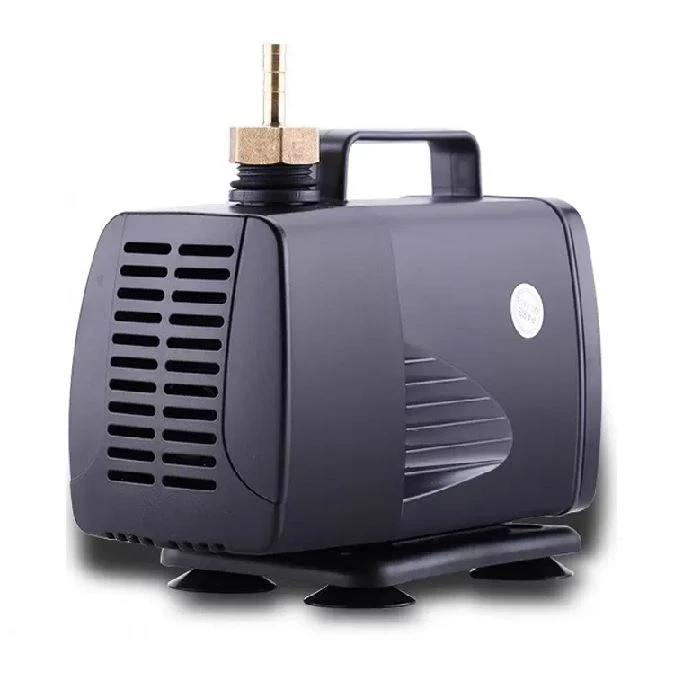
In addition to Er20 nuts, we also supply Spindle Cooling Water Pump and Er20 Tool Holder. These products work together in a machining setup. The spindle cooling water pump helps to keep the spindle cool during operation, which is essential for the longevity of the machinery. The Er20 tool holder, as mentioned earlier, holds the cutting tool in place, and the Er20 nut secures the tool holder. So, having all these products of high quality is crucial for a smooth and efficient machining process.
Conclusion
Measuring an Er20 nut is not rocket science, but it does require the right tools and techniques. By following the steps outlined in this blog, you can ensure that you're getting accurate measurements. And if you're in the market for high-quality Er20 nuts, Er20 Nut, we've got you covered. We pride ourselves on providing top-notch products that meet the highest standards of quality.
If you're interested in purchasing our Er20 nuts or any of our other products, feel free to reach out to us for a quote and to discuss your specific requirements. We're always here to help you find the right solutions for your machining needs.
References
- Machinery's Handbook
- Precision Measuring Tools Guide


