

In the manufacturing industry, slitting machines play a crucial role in cutting large - width materials into narrower strips with high precision. As a slitting machine supplier, I've had the opportunity to work with various types of slitting machines, each designed for different production speeds. Understanding the differences between high - speed and low - speed slitting machines is essential for businesses to make informed decisions when it comes to purchasing the right equipment for their specific needs.
1. Speed and Throughput
The most obvious difference between high - speed and low - speed slitting machines lies in their operating speeds. High - speed slitting machines are engineered to process materials at extremely rapid rates. They can achieve speeds of up to several hundred meters per minute, depending on the type of material and the machine's design. This high - speed operation allows for a significantly higher throughput, making them ideal for large - scale production environments where time is of the essence.
On the other hand, low - speed slitting machines typically operate at speeds ranging from a few meters to tens of meters per minute. While their throughput is much lower compared to high - speed machines, they offer other advantages that make them suitable for certain applications. For example, in industries where the material is delicate or requires more precise handling, the slower speed allows for better control and reduces the risk of damage to the material.
2. Precision and Quality
High - speed slitting machines are designed to maintain a high level of precision even at high speeds. However, achieving this precision can be challenging due to the increased forces and vibrations associated with rapid operation. To overcome these challenges, high - speed machines are often equipped with advanced control systems, high - quality cutting tools, and precision bearings. These features help to minimize the effects of vibrations and ensure accurate cutting.
Low - speed slitting machines, on the other hand, can generally achieve a higher level of precision more easily. The slower speed allows for more precise adjustments and reduces the impact of external factors such as vibrations. This makes them particularly well - suited for applications where high - quality cuts are required, such as in the production of electronic components or high - end packaging materials.
3. Material Compatibility
The type of material being slit is an important factor in determining whether a high - speed or low - speed slitting machine is more appropriate. High - speed slitting machines are typically better suited for processing materials that are tough, flexible, and can withstand the high forces and rapid cutting associated with high - speed operation. Examples of such materials include plastics, metals, and some types of paper.

Low - speed slitting machines, on the other hand, are more suitable for delicate materials that are prone to damage or deformation. Materials such as thin films, foils, and certain types of fabrics require a more gentle handling process, which can be achieved with a low - speed machine. The slower speed reduces the risk of tearing or stretching the material, ensuring a high - quality end product.
4. Cost and Investment
High - speed slitting machines generally require a higher initial investment compared to low - speed machines. This is due to their more complex design, advanced control systems, and high - quality components. Additionally, the operating costs of high - speed machines can be higher, as they typically consume more energy and require more frequent maintenance.
Low - speed slitting machines, on the other hand, are more affordable in terms of both initial purchase price and operating costs. They are a cost - effective solution for small - to - medium - scale production or for businesses with limited budgets. However, it's important to note that the long - term cost - effectiveness of a slitting machine depends on various factors, including production volume, material type, and quality requirements.
5. Automation and Integration
High - speed slitting machines often feature a high degree of automation. They can be integrated with other production processes, such as unwinding, rewinding, and quality control systems, to create a fully automated production line. This not only increases productivity but also reduces the need for manual labor, which can lead to cost savings in the long run.
Low - speed slitting machines may also be automated to some extent, but they are generally less complex in terms of automation and integration. They are often used as standalone machines or in combination with simple auxiliary equipment. However, for some applications, the simplicity of a low - speed machine can be an advantage, as it allows for easier operation and maintenance.
6. Safety Considerations
Both high - speed and low - speed slitting machines require proper safety measures to protect operators. High - speed machines, due to their rapid operation, pose a higher risk of accidents. They are typically equipped with advanced safety features, such as emergency stop buttons, safety guards, and interlock systems, to prevent injuries.
Low - speed machines also require safety precautions, but the risk of accidents is generally lower. However, operators should still be trained on proper machine operation and safety procedures to ensure a safe working environment.
7. Applications
High - speed slitting machines are commonly used in industries with high - volume production requirements, such as the packaging industry, the plastics industry, and the metal processing industry. In the packaging industry, for example, high - speed slitting machines are used to cut large rolls of packaging materials into smaller widths for use in various packaging applications.
Low - speed slitting machines are often used in industries where precision and quality are of utmost importance, such as the electronics industry, the textile industry, and the medical industry. In the electronics industry, low - speed slitting machines are used to cut thin films and foils for use in electronic components.
8. Our Product Offerings
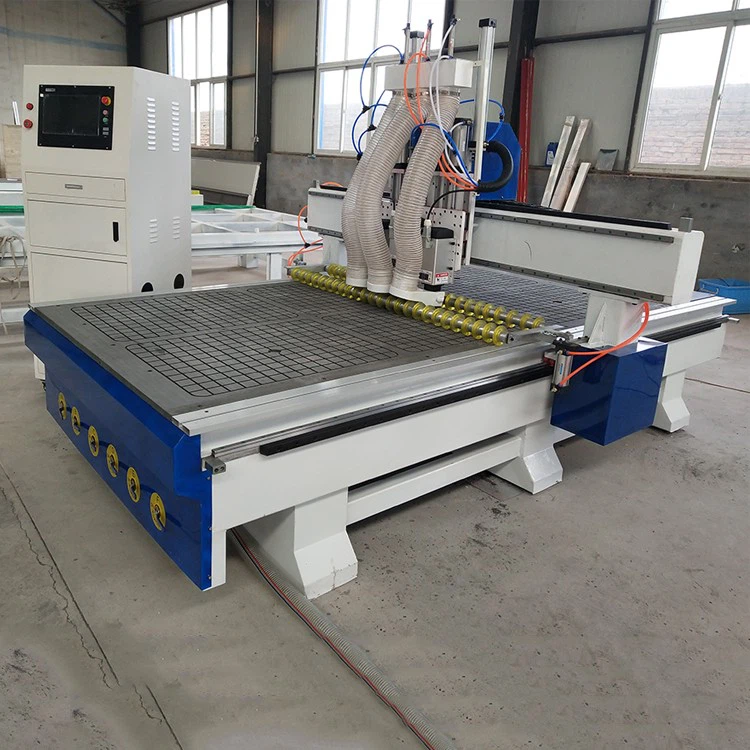
As a slitting machine supplier, we offer a wide range of high - speed and low - speed slitting machines to meet the diverse needs of our customers. Our CNC Cutting Machine is a high - speed machine that combines advanced technology with high - precision cutting capabilities. It is suitable for processing a variety of materials, including plastics, metals, and paper.
Our Four Process Cutting Machine is a versatile machine that can be used for both high - speed and low - speed applications. It offers four different cutting processes, allowing for greater flexibility in production.
For customers who require a fully automated solution, our Fully Automatic Cutting Machine is an excellent choice. It is a high - speed machine that can be integrated with other production processes to create a seamless production line.
Conclusion
In conclusion, the choice between a high - speed and a low - speed slitting machine depends on various factors, including production volume, material type, precision requirements, and budget. High - speed machines offer high throughput and are suitable for large - scale production, while low - speed machines provide better precision and are ideal for delicate materials.
As a slitting machine supplier, we are committed to helping our customers choose the right machine for their specific needs. If you are interested in learning more about our slitting machines or would like to discuss your production requirements, please feel free to contact us. We look forward to working with you to find the best slitting solution for your business.
References
- Smith, J. (2020). "Advances in Slitting Machine Technology." Manufacturing Today Journal.
- Brown, A. (2019). "Comparing High - Speed and Low - Speed Manufacturing Processes." Industrial Engineering Review.
- Green, C. (2021). "Material Compatibility in Slitting Operations." Materials Science Magazine.


