

Handling laser machine parts requires a high level of caution and adherence to safety protocols. As a supplier of laser machine parts, I understand the importance of ensuring that these components are handled safely to prevent accidents and ensure the longevity of the parts. In this blog, I will discuss the key safety precautions that should be taken when handling laser machine parts.
1. Personal Protective Equipment (PPE)
One of the most fundamental safety measures when working with laser machine parts is wearing appropriate personal protective equipment. This includes safety glasses designed to block the specific wavelength of the laser being used. Different lasers emit light at different wavelengths, and regular glasses will not provide adequate protection. For example, if you are working with a CO2 laser, you need safety glasses that are specifically rated for the infrared wavelength emitted by CO2 lasers.
Gloves are also essential. They protect your hands from cuts, burns, and chemical exposure. When handling sharp edges of laser machine parts such as Laser Cutting Head, heavy-duty gloves can prevent accidental cuts. Additionally, some parts may be coated with chemicals or lubricants that can be harmful to the skin, so gloves act as a barrier.
Lab coats or protective clothing should be worn to shield your body from any debris or splashes that may occur during the handling process. This is especially important when disassembling or assembling laser machine parts, as small components may fly off or fluids may leak.
2. Training and Knowledge
Proper training is crucial before anyone attempts to handle laser machine parts. Operators should be well - versed in the operation, maintenance, and safety procedures of the specific laser machine they are working with. This includes understanding the laser's power levels, how to properly turn it on and off, and what to do in case of an emergency.
Training should also cover the identification of different parts and their functions. For instance, a Laser Tube is a critical component in a laser machine, and operators need to know how to handle it without damaging it. Improper handling of a laser tube can lead to reduced performance or even complete failure of the laser system.
Knowledge of the potential hazards associated with laser machine parts is equally important. Lasers can cause eye damage, burns, and even start fires if not used correctly. Operators should be aware of these risks and know how to mitigate them.
3. Workspace Safety
The workspace where laser machine parts are handled should be well - organized and clean. Cluttered workspaces increase the risk of tripping, dropping parts, or accidentally knocking over equipment. All tools and parts should be stored in designated areas, and workbenches should be cleared of any unnecessary items.
The workspace should also be well - ventilated. Some laser machine parts, especially during the manufacturing or repair process, may emit fumes or dust. For example, when cutting or grinding certain materials for CO2 Cutting Head fabrication, harmful particles can be released into the air. Adequate ventilation helps to remove these contaminants and maintain a safe working environment.
Fire safety measures should be in place. Lasers generate heat, and there is a risk of fire if flammable materials are present in the workspace. Fire extinguishers should be readily available, and the workspace should be free of any loose paper, solvents, or other combustible substances.
4. Handling and Storage
When handling laser machine parts, always use the appropriate tools. For example, when removing or installing screws on a laser cutting head, use the correct size of screwdriver. Using the wrong tool can damage the part or cause it to malfunction.
Avoid touching sensitive components with bare hands. The oils and moisture on our hands can contaminate parts such as lenses or mirrors, which can affect the performance of the laser machine. Instead, use clean, lint - free gloves or specialized handling tools.
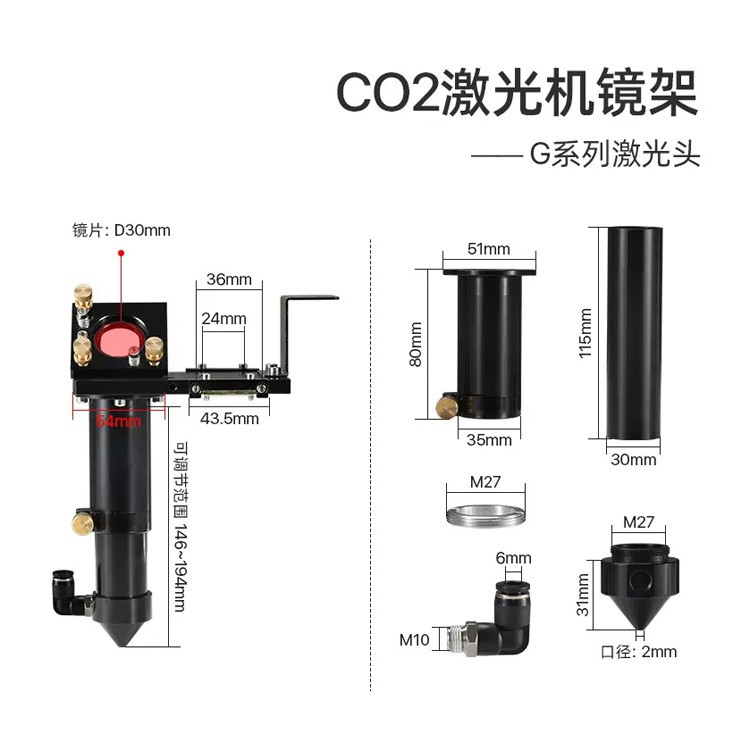
Proper storage of laser machine parts is also essential. Parts should be stored in a dry, clean environment to prevent corrosion and damage. Components such as laser tubes should be stored in a vertical position to avoid stress on the internal structure. Small parts should be stored in labeled containers to prevent loss and make it easier to find them when needed.

5. Electrical Safety
Laser machines are electrical devices, and electrical safety is of utmost importance. Before handling any parts, ensure that the machine is turned off and unplugged. This prevents the risk of electric shock.
When working on electrical components of the laser machine, use insulated tools. This reduces the risk of short - circuits and electric shock. It is also important to follow proper grounding procedures to ensure that any electrical faults are safely redirected to the ground.
Regularly inspect electrical cords and connectors for signs of damage. Frayed cords or loose connectors can pose a significant safety hazard and should be replaced immediately.
6. Inspection and Maintenance
Regular inspection of laser machine parts is necessary to identify any potential problems early. Before handling parts, visually inspect them for cracks, chips, or other signs of damage. For example, a cracked lens in a laser cutting head can cause the laser beam to scatter, reducing cutting accuracy and potentially causing safety issues.
Maintenance schedules should be followed strictly. This includes cleaning, lubricating, and adjusting parts as recommended by the manufacturer. For instance, some laser tubes require regular gas refills to maintain optimal performance.
7. Emergency Preparedness
In case of an emergency, such as a laser beam malfunction or a fire, operators should know what to do. Emergency stop buttons should be clearly marked and easily accessible on the laser machine. Operators should be trained to press the emergency stop button immediately in case of any dangerous situation.
First - aid kits should be available in the workspace, and operators should be trained in basic first - aid procedures. In case of laser - related injuries, such as eye burns, immediate first - aid can make a significant difference in the outcome.
Conclusion
Handling laser machine parts safely is a multi - faceted process that involves proper PPE, training, workspace safety, and more. As a supplier of laser machine parts, I am committed to providing high - quality components and also ensuring that our customers are well - informed about the safety precautions associated with them.
If you are in the market for laser machine parts, we offer a wide range of products, including Laser Tube, Laser Cutting Head, and CO2 Cutting Head. We are always ready to assist you with your procurement needs. Feel free to contact us to discuss your requirements and start a fruitful business relationship.
References
- Laser Safety Handbook, published by the Laser Institute of America.
- Manufacturer's manuals for various laser machine models.
- Occupational Safety and Health Administration (OSHA) guidelines on laser safety.


