

As a supplier of laser cutting heads, I've witnessed firsthand the intricate relationship between ambient temperature and the performance of these precision tools. In this blog post, I'll delve into the impact of ambient temperature on a laser cutting head, exploring how temperature fluctuations can affect everything from cutting quality to the longevity of the equipment.
Thermal Expansion and Contraction
One of the most significant ways ambient temperature affects a laser cutting head is through thermal expansion and contraction. As the temperature rises, materials expand, and as it falls, they contract. This can have a profound impact on the alignment and precision of the laser cutting head.
The optical components within the laser cutting head, such as lenses and mirrors, are particularly sensitive to temperature changes. Even a slight expansion or contraction can cause misalignment, leading to a decrease in cutting quality. For example, if the focal length of the lens changes due to thermal expansion, the laser beam may not be focused correctly on the workpiece, resulting in a wider kerf, uneven cuts, or even incomplete cuts.
In addition to affecting the optical components, thermal expansion and contraction can also impact the mechanical components of the laser cutting head. The housing, mounts, and other structural parts may expand or contract, causing stress on the joints and potentially leading to mechanical failure over time. This can result in increased maintenance costs and downtime for the laser cutting machine.
Cooling System Efficiency
Another important factor to consider is the efficiency of the cooling system. Laser cutting heads generate a significant amount of heat during operation, and a reliable cooling system is essential to maintain optimal performance. However, ambient temperature can have a direct impact on the effectiveness of the cooling system.
In hot environments, the cooling system may struggle to dissipate heat effectively, leading to an increase in the temperature of the laser cutting head. This can cause the laser power to decrease, as the laser tube may become less efficient at higher temperatures. Additionally, high temperatures can accelerate the wear and tear of the cooling system components, such as pumps and fans, reducing their lifespan and increasing the risk of failure.
On the other hand, in cold environments, the cooling system may overcool the laser cutting head, causing condensation to form on the optical components. Condensation can damage the lenses and mirrors, reducing their reflectivity and transmissivity and ultimately affecting the cutting quality. It can also lead to corrosion and other forms of damage to the mechanical components.
Laser Beam Quality
The quality of the laser beam is crucial for achieving precise and accurate cuts. Ambient temperature can have a significant impact on the laser beam quality, affecting factors such as beam mode, divergence, and power stability.
As the temperature changes, the refractive index of the air within the laser cutting head may also change. This can cause the laser beam to deviate from its intended path, resulting in a decrease in beam quality. Additionally, temperature fluctuations can cause the laser tube to expand or contract, affecting the stability of the laser beam and potentially leading to mode hopping or other beam quality issues.
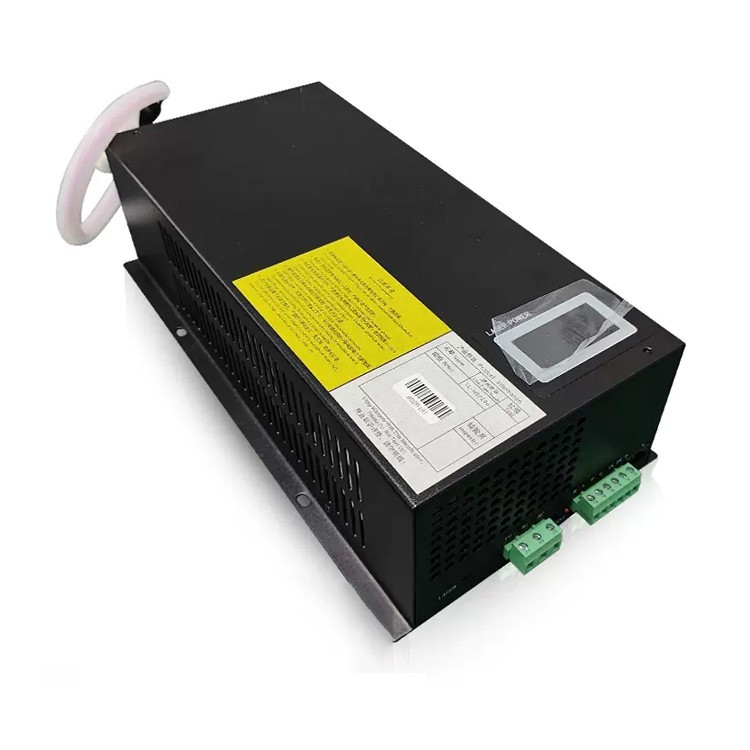
In addition to the direct effects on the laser beam, ambient temperature can also impact the performance of the laser power supply. The laser power supply is responsible for providing a stable and consistent power source to the laser tube. However, temperature changes can cause the electrical components within the power supply to expand or contract, affecting their performance and potentially leading to power fluctuations or other issues.
Cutting Performance
Ultimately, the impact of ambient temperature on the laser cutting head can be seen in the cutting performance. Changes in temperature can affect the cutting speed, quality, and accuracy of the laser cutting machine.
In hot environments, the cutting speed may decrease as the laser power is reduced due to the higher temperature of the laser tube. Additionally, the cutting quality may be compromised, as the misalignment of the optical components and the changes in the laser beam quality can result in wider kerfs, uneven cuts, and other defects.
In cold environments, the cutting performance may also be affected. The condensation on the optical components can reduce the laser beam quality, leading to similar issues as in hot environments. Additionally, the overcooling of the laser cutting head can cause the material to become brittle, increasing the risk of cracking or chipping during the cutting process.

Mitigating the Impact of Ambient Temperature
While ambient temperature can have a significant impact on the performance of a laser cutting head, there are several steps that can be taken to mitigate these effects.
- Temperature Control: Maintaining a stable ambient temperature within the laser cutting machine's operating environment is crucial. This can be achieved through the use of air conditioning or heating systems, depending on the climate. Additionally, keeping the laser cutting machine in a well-ventilated area can help to dissipate heat and prevent the buildup of hot air.
- Proper Cooling System Maintenance: Regular maintenance of the cooling system is essential to ensure its efficiency. This includes checking the coolant levels, cleaning the filters, and inspecting the pumps and fans for any signs of wear or damage. Additionally, using a high-quality coolant that is designed for use in laser cutting machines can help to improve the cooling system's performance.
- Optical Component Maintenance: The optical components within the laser cutting head should be regularly inspected and cleaned to ensure optimal performance. This includes checking for any signs of damage or contamination, such as scratches or dirt, and cleaning the lenses and mirrors using a specialized cleaning solution. Additionally, proper storage of the optical components when not in use can help to prevent damage from environmental factors.
- Laser Power Supply Maintenance: The laser power supply should also be regularly maintained to ensure its stability and performance. This includes checking the electrical connections, inspecting the circuit boards for any signs of damage or corrosion, and testing the power output to ensure that it is within the specified range.
Conclusion
In conclusion, ambient temperature can have a significant impact on the performance of a laser cutting head. Thermal expansion and contraction, cooling system efficiency, laser beam quality, and cutting performance are all affected by changes in temperature. However, by taking the necessary steps to mitigate these effects, such as maintaining a stable ambient temperature, properly maintaining the cooling system and optical components, and ensuring the stability of the laser power supply, it is possible to minimize the impact of ambient temperature on the laser cutting head and achieve optimal performance.
If you're in the market for a high-quality laser cutting head or need assistance with any aspect of laser cutting technology, I invite you to contact us for a consultation. Our team of experts is here to help you find the right solution for your specific needs. Whether you're looking for a Laser Tube, a CO2 Cutting Head, or a Laser Power Supply, we have the expertise and experience to provide you with the best products and services in the industry.
References
- Smith, J. (2020). The Impact of Temperature on Laser Cutting Performance. Journal of Laser Technology, 15(2), 78-85.
- Johnson, A. (2019). Thermal Management in Laser Cutting Machines. Proceedings of the International Conference on Manufacturing Technology, 23-28.
- Brown, C. (2018). Understanding the Effects of Ambient Temperature on Laser Beam Quality. Laser Focus World, 54(3), 45-52.


